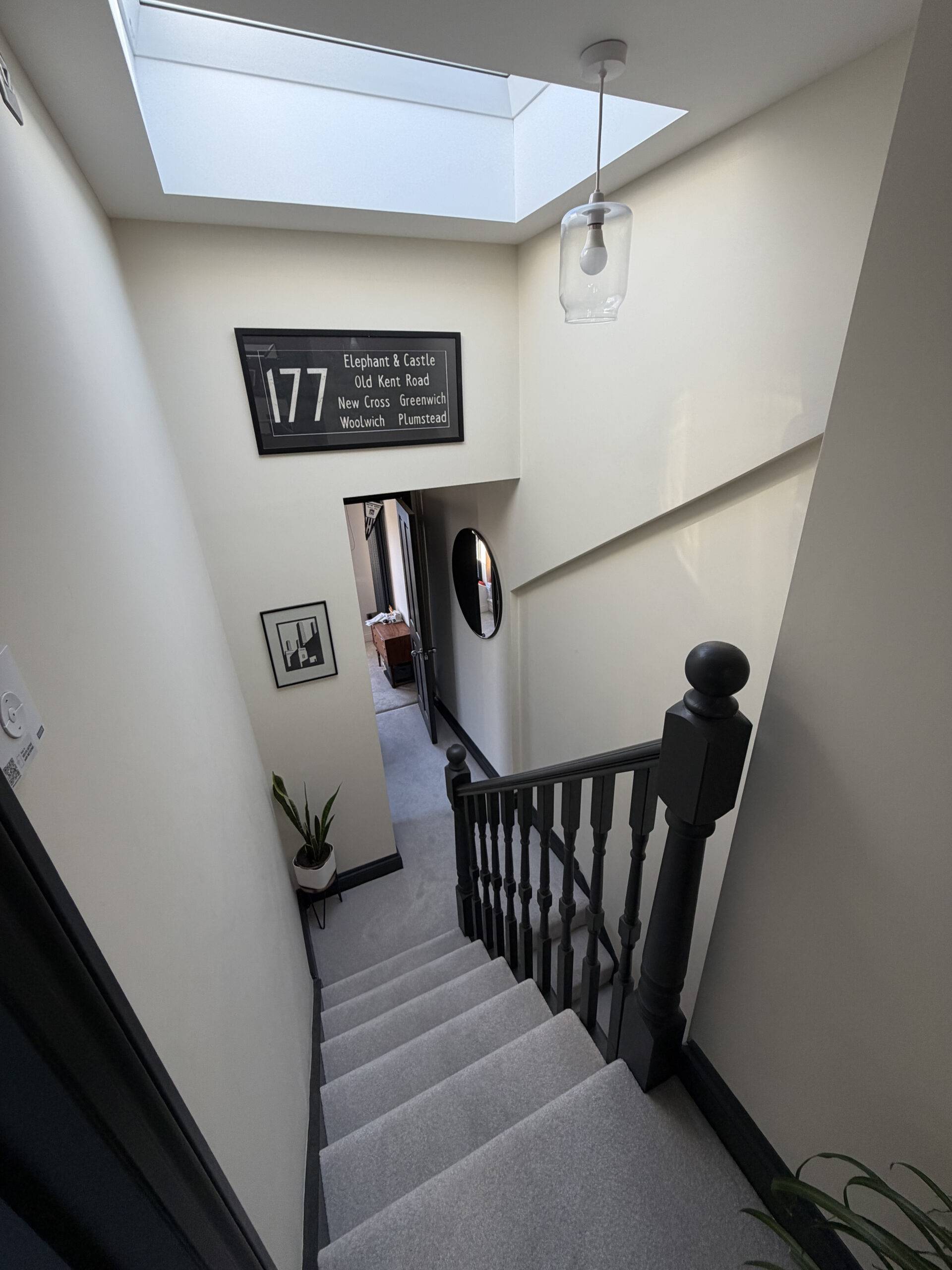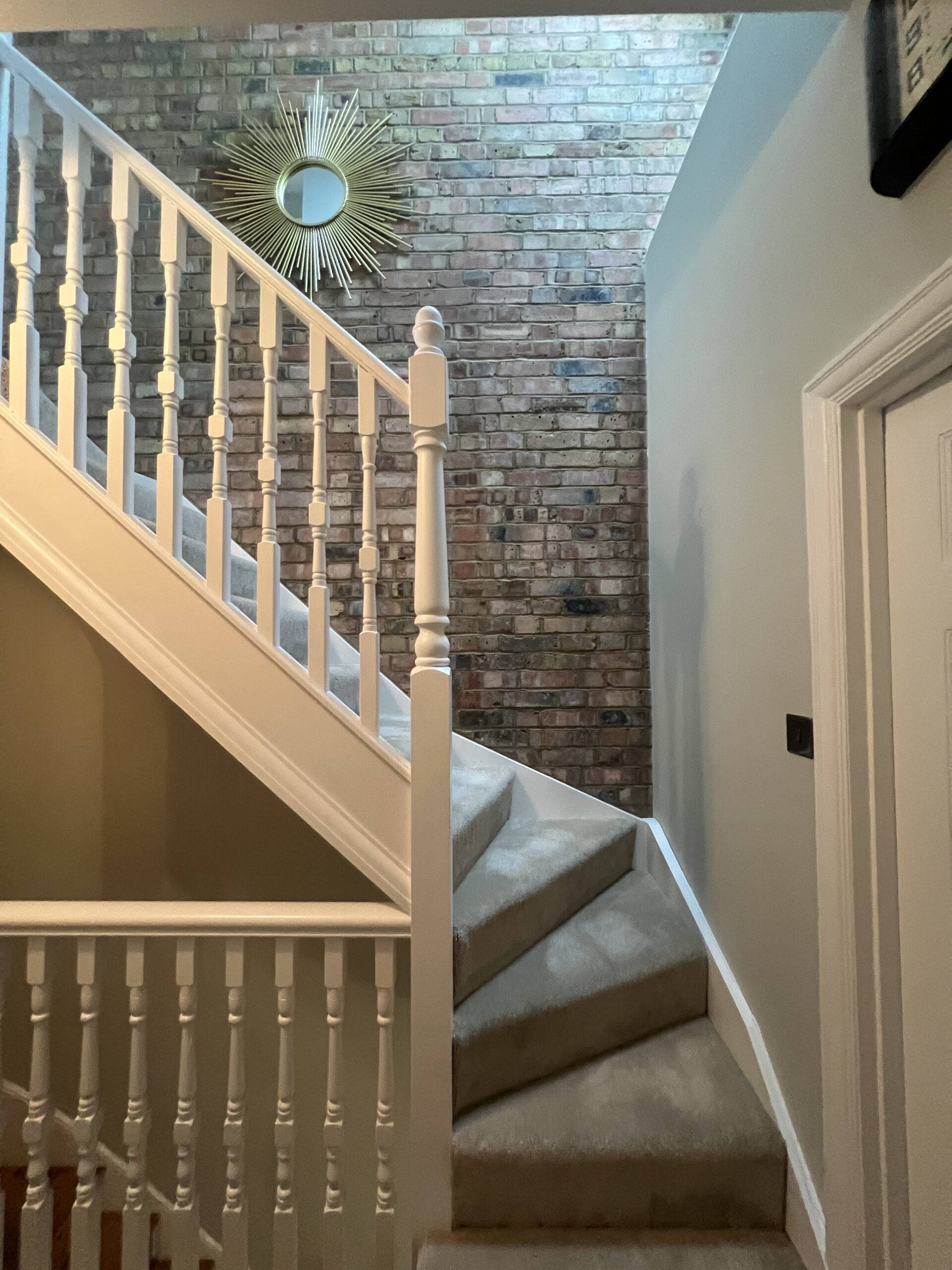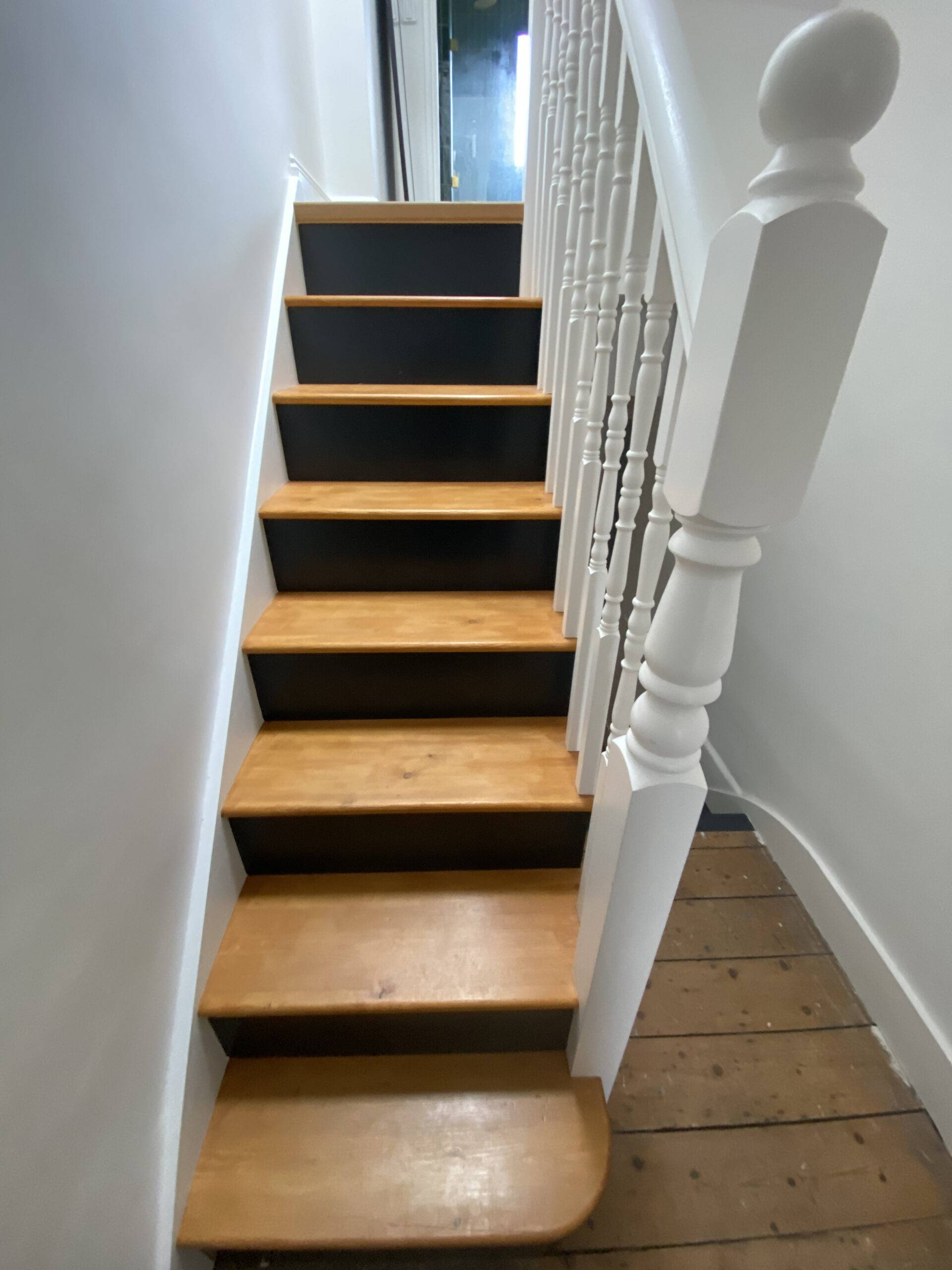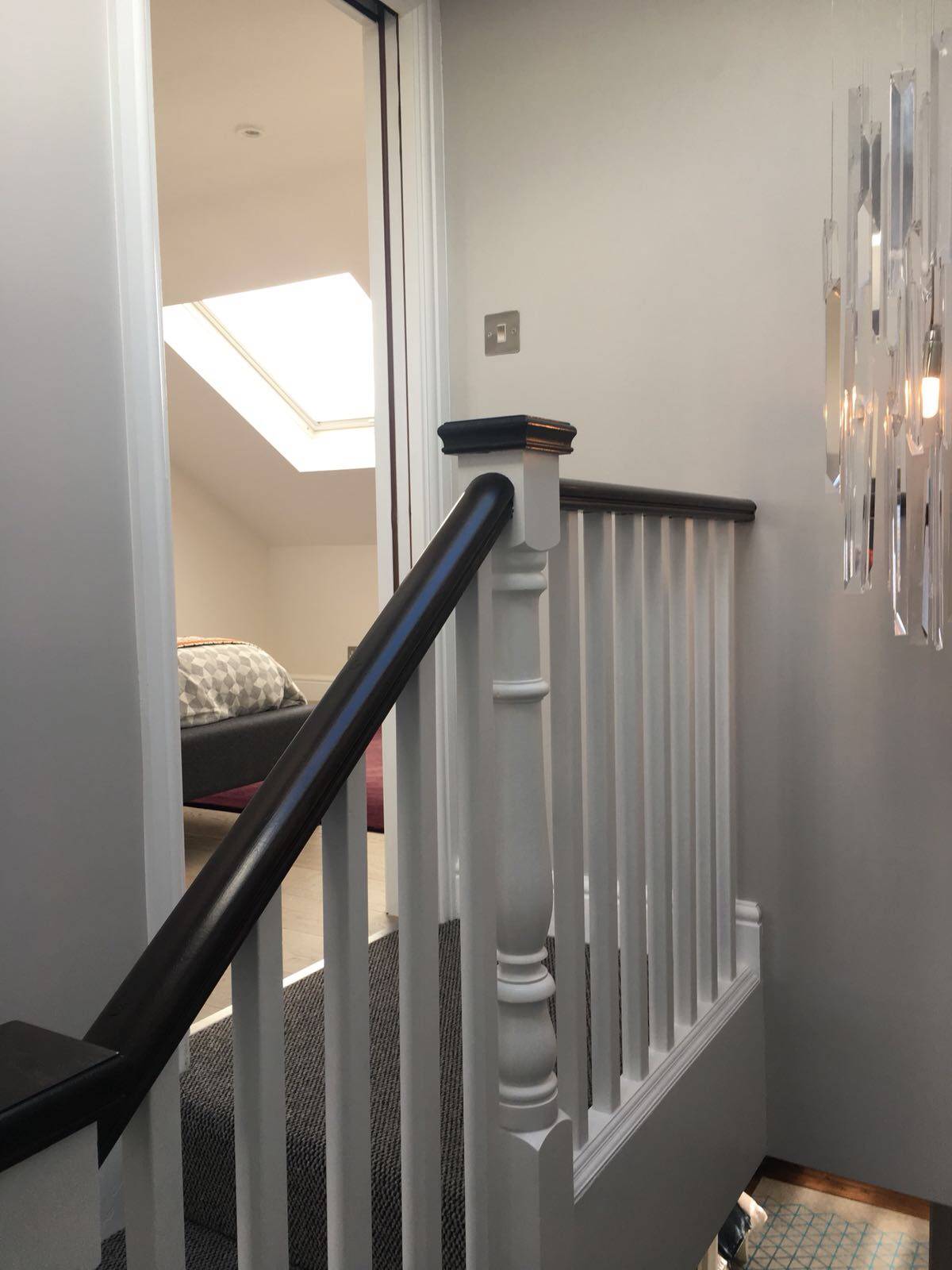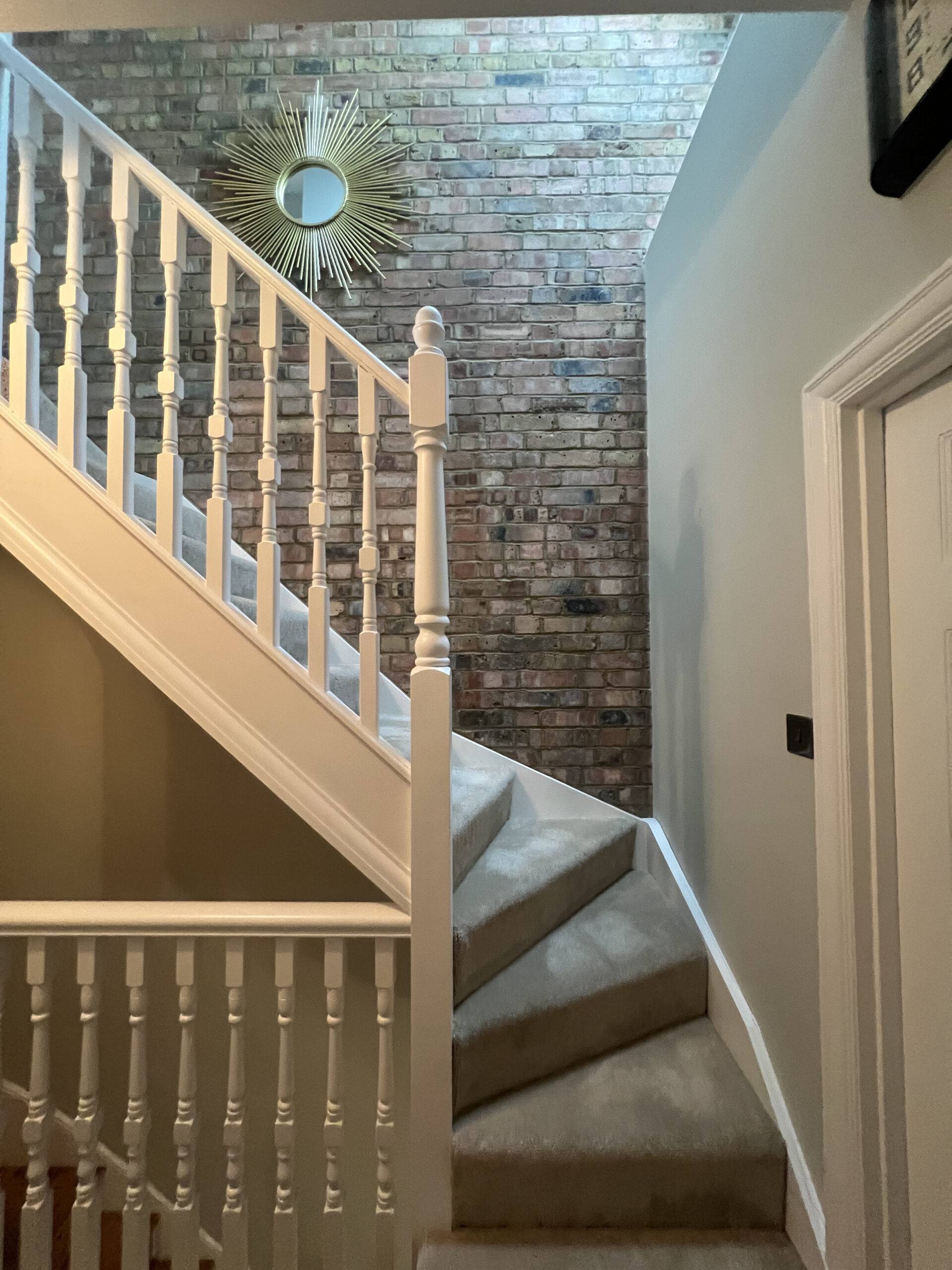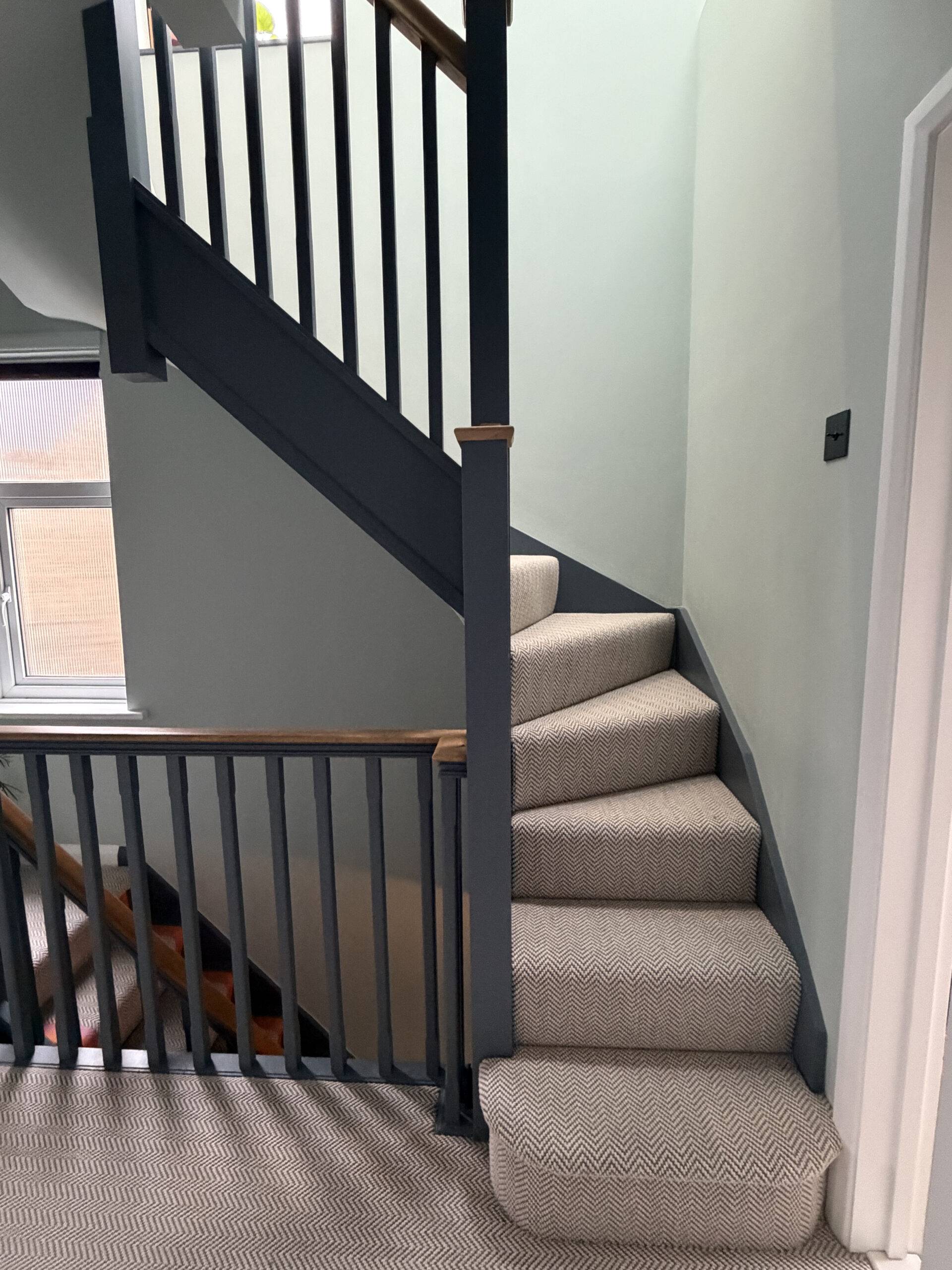
A staircase is far more than a way of getting from one floor to another. In a loft conversion, it’s the element that physically and visually connects the original house to the new structure above. It’s where the existing home meets the new loft space — and when handled correctly, that junction feels intentional and seamless.
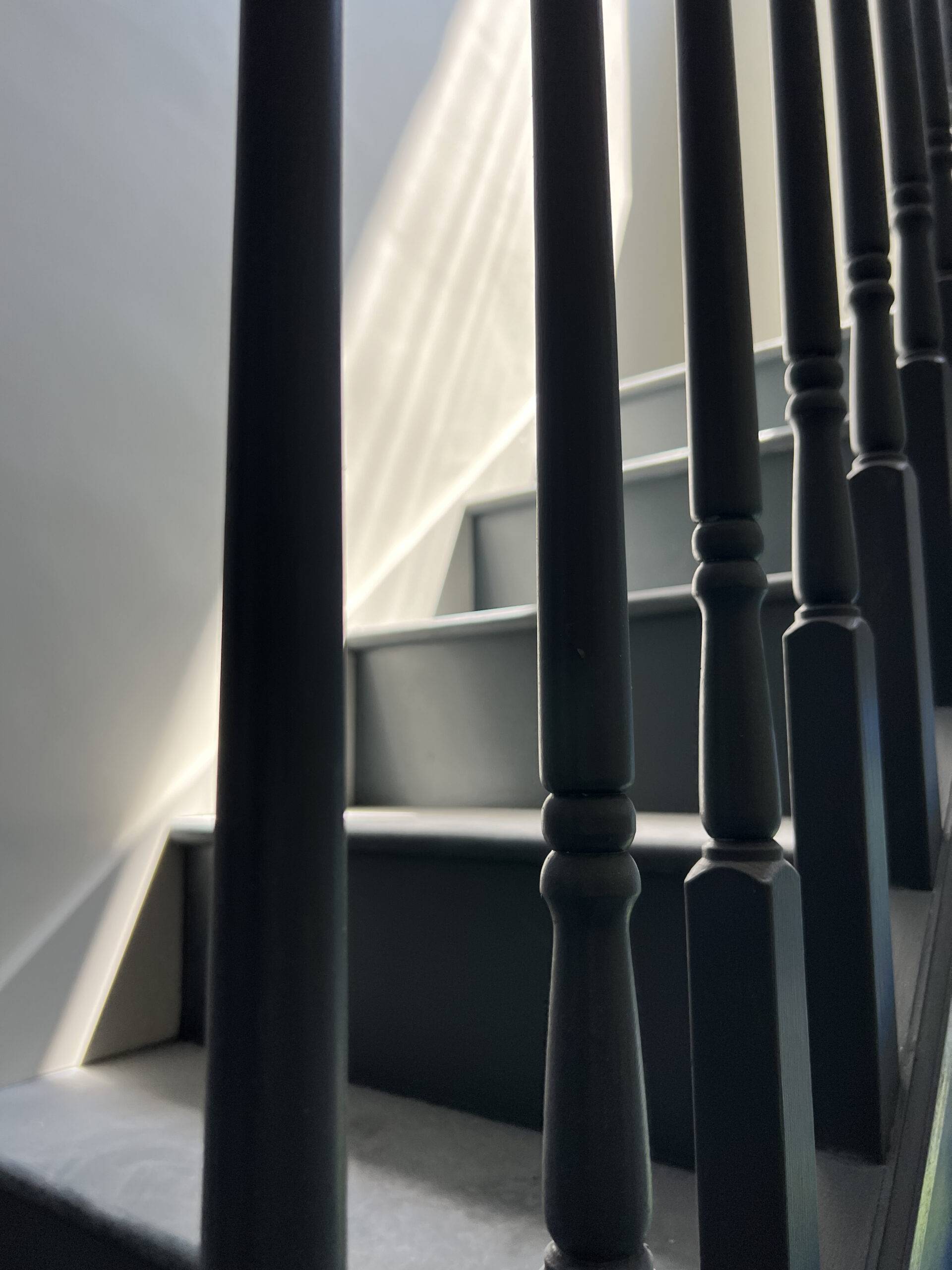
Across South London, we work on everything from Victorian and Edwardian terraces to 1930s semi-detached houses and more contemporary homes. Each period brings its own staircase character. A Victorian property in Brockley may have elegant turned spindles and detailed newel posts. A 1930s house in Catford or Dulwich often features sturdier proportions and simpler profiles. In more modern homes — perhaps a newer build in Battersea or Clapham — you may find clean lines, minimal detailing, or even toughened glass balustrades that create a lighter, more open feel. Whatever the starting point, continuity is key.
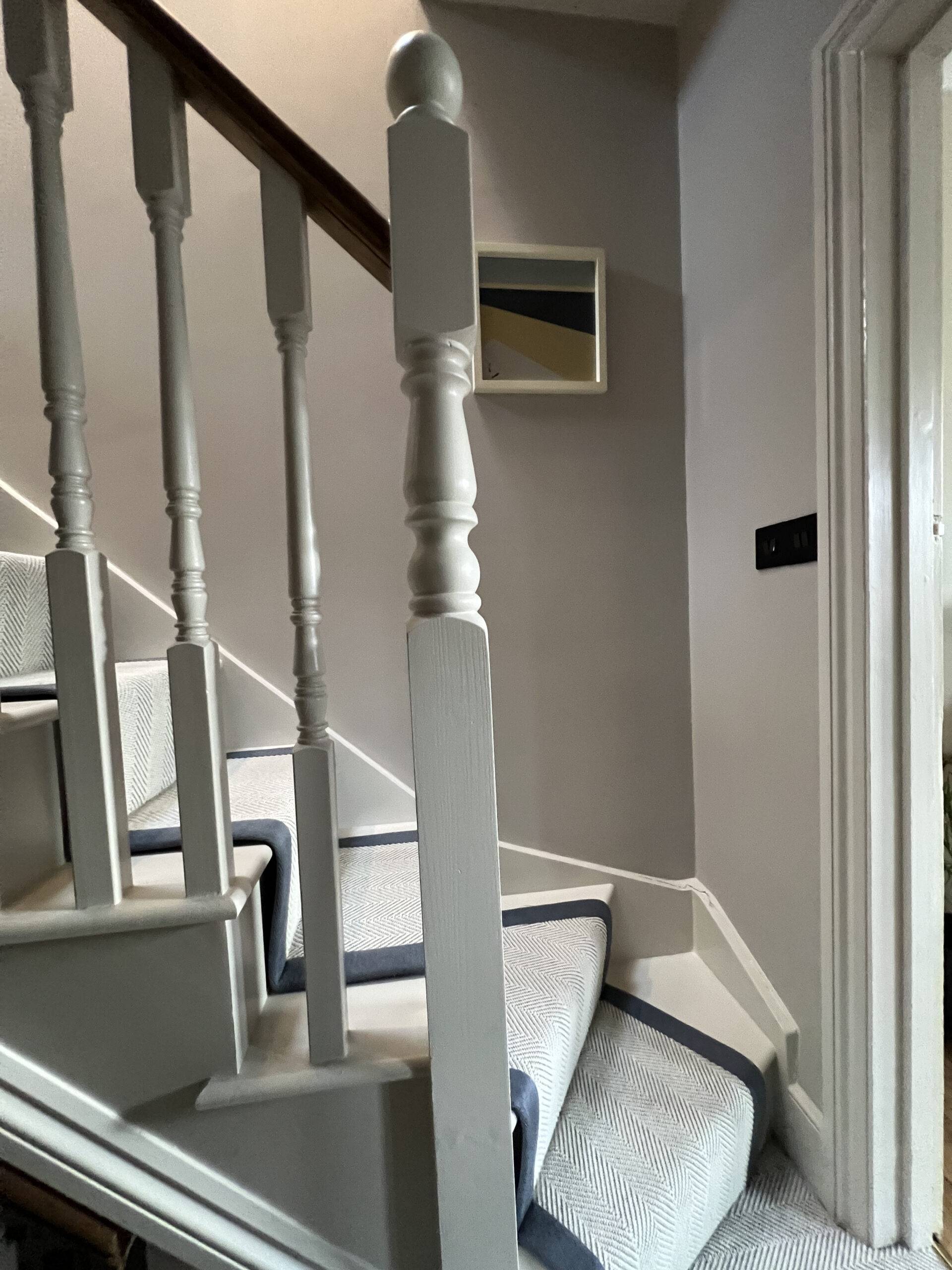
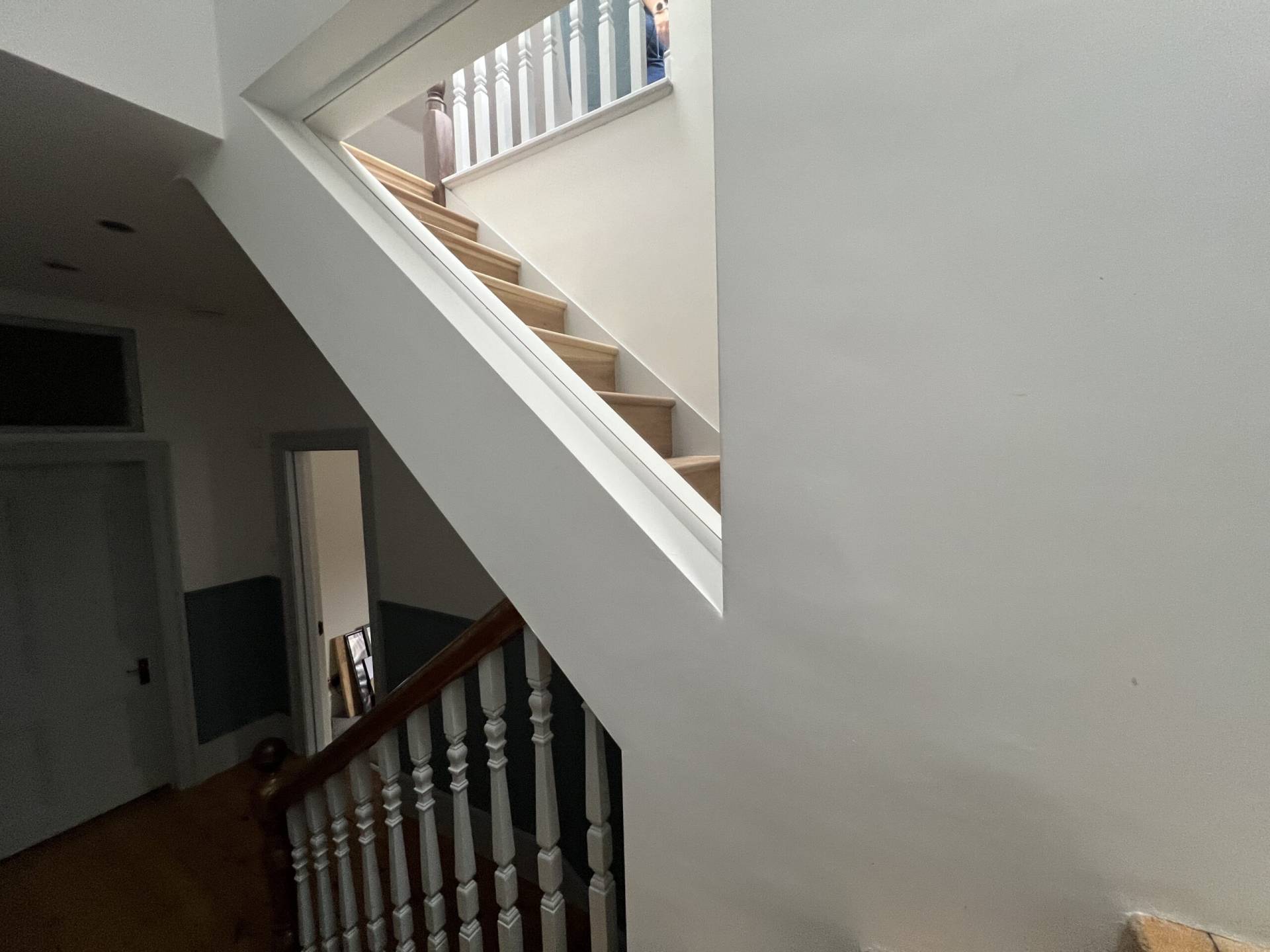
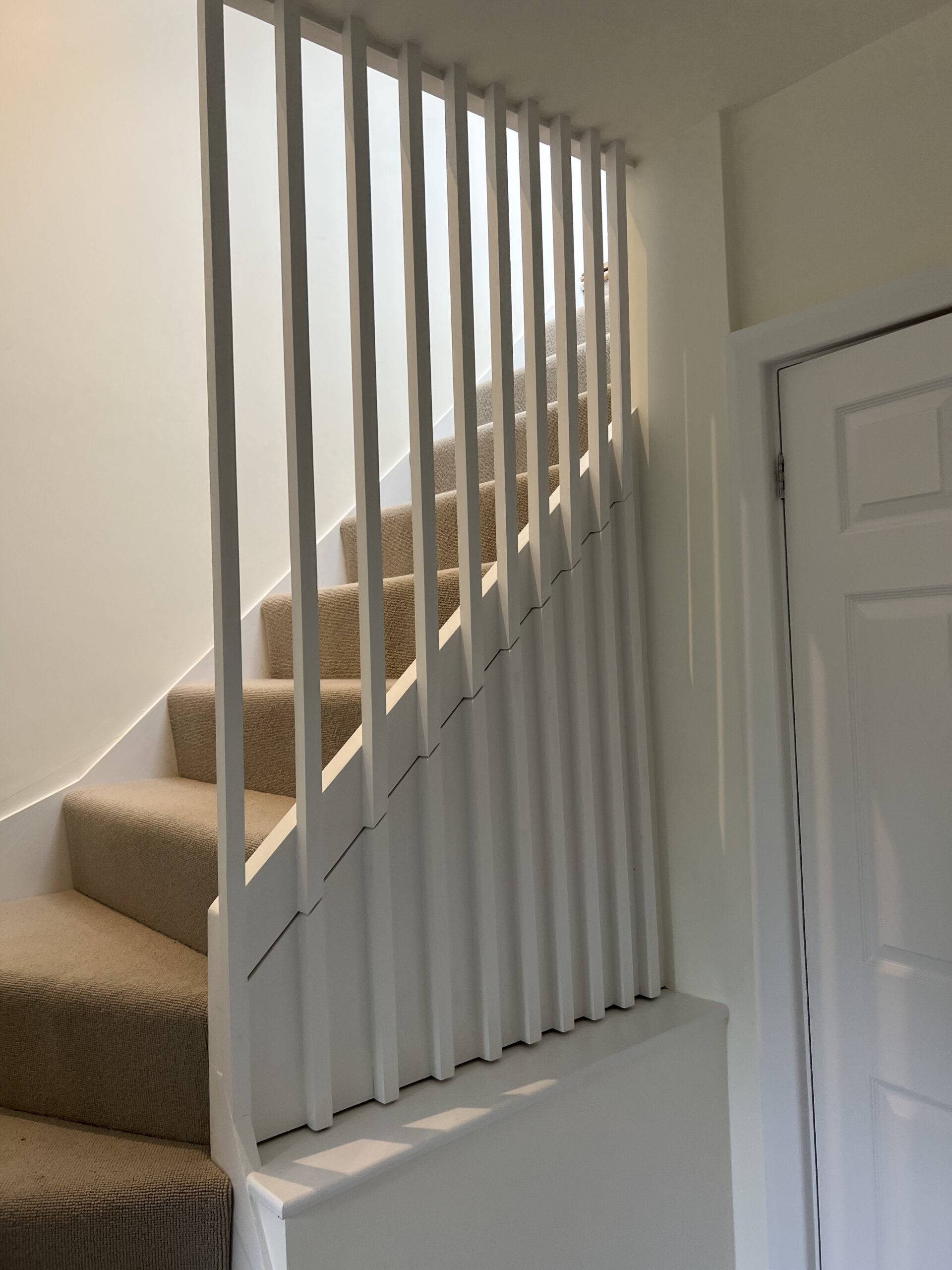
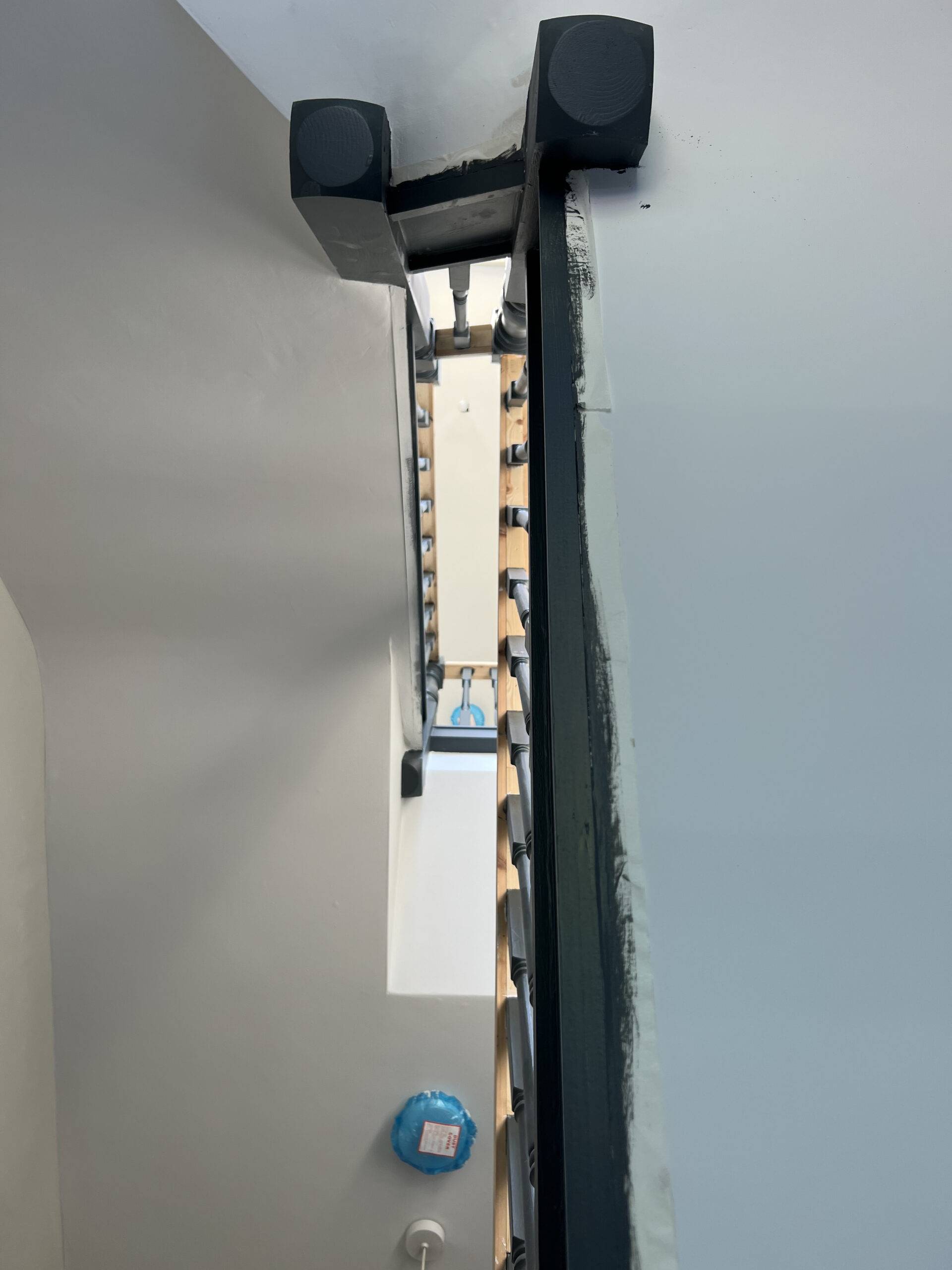
It’s not just about plonking a staircase into a loft conversion and hoping everything lines up. We carefully locate the centre point of the existing handrail and align it precisely with the new proposed newel post at the base of the loft flight. That alignment allows the handrail to flow naturally from the original staircase into the new one. In most cases, it’s best to continue the same balustrade style, spindle design and newel detail into the loft level. Doing so creates a cohesive connection between old and new, giving the impression the staircase has always belonged there.
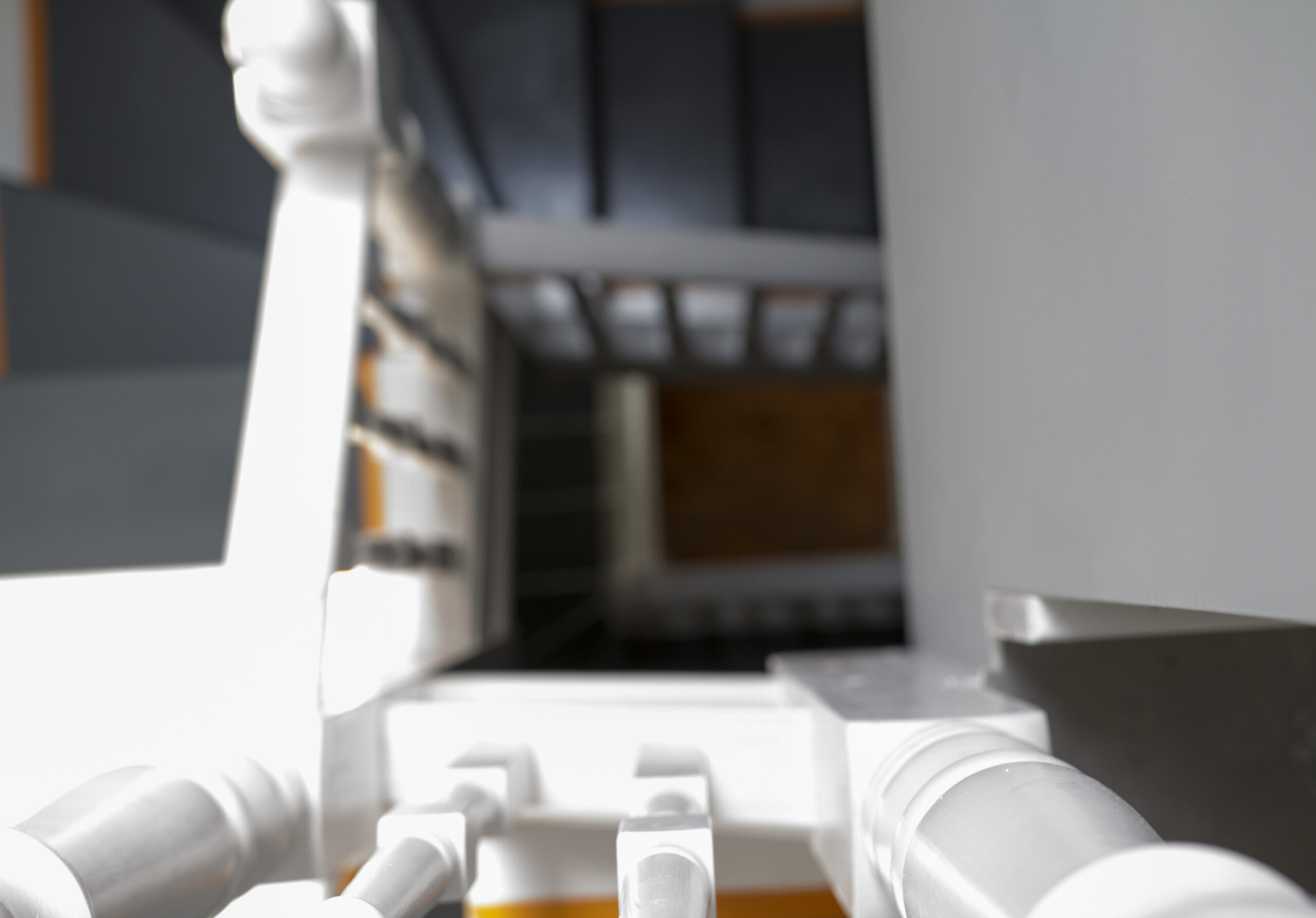
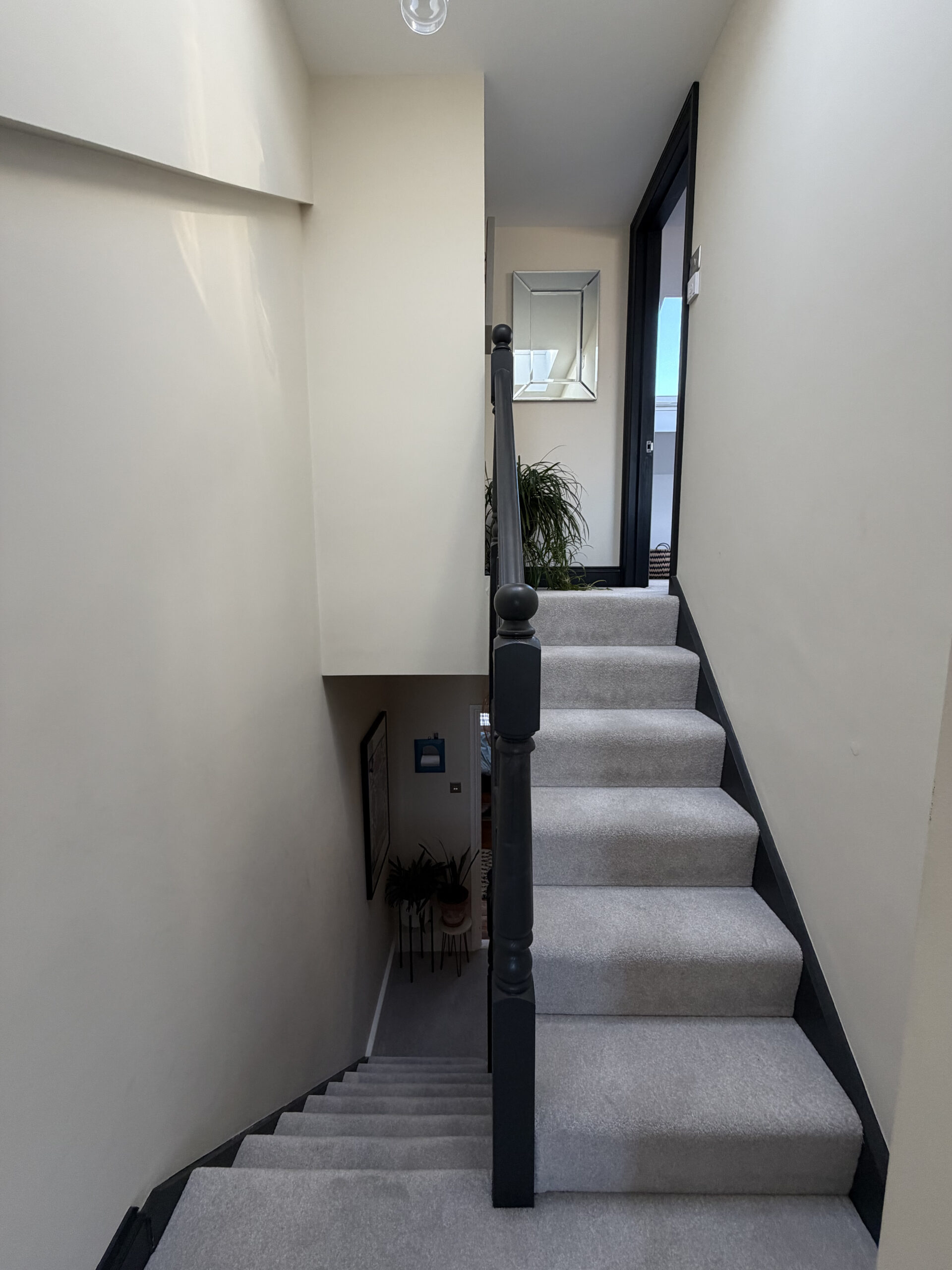
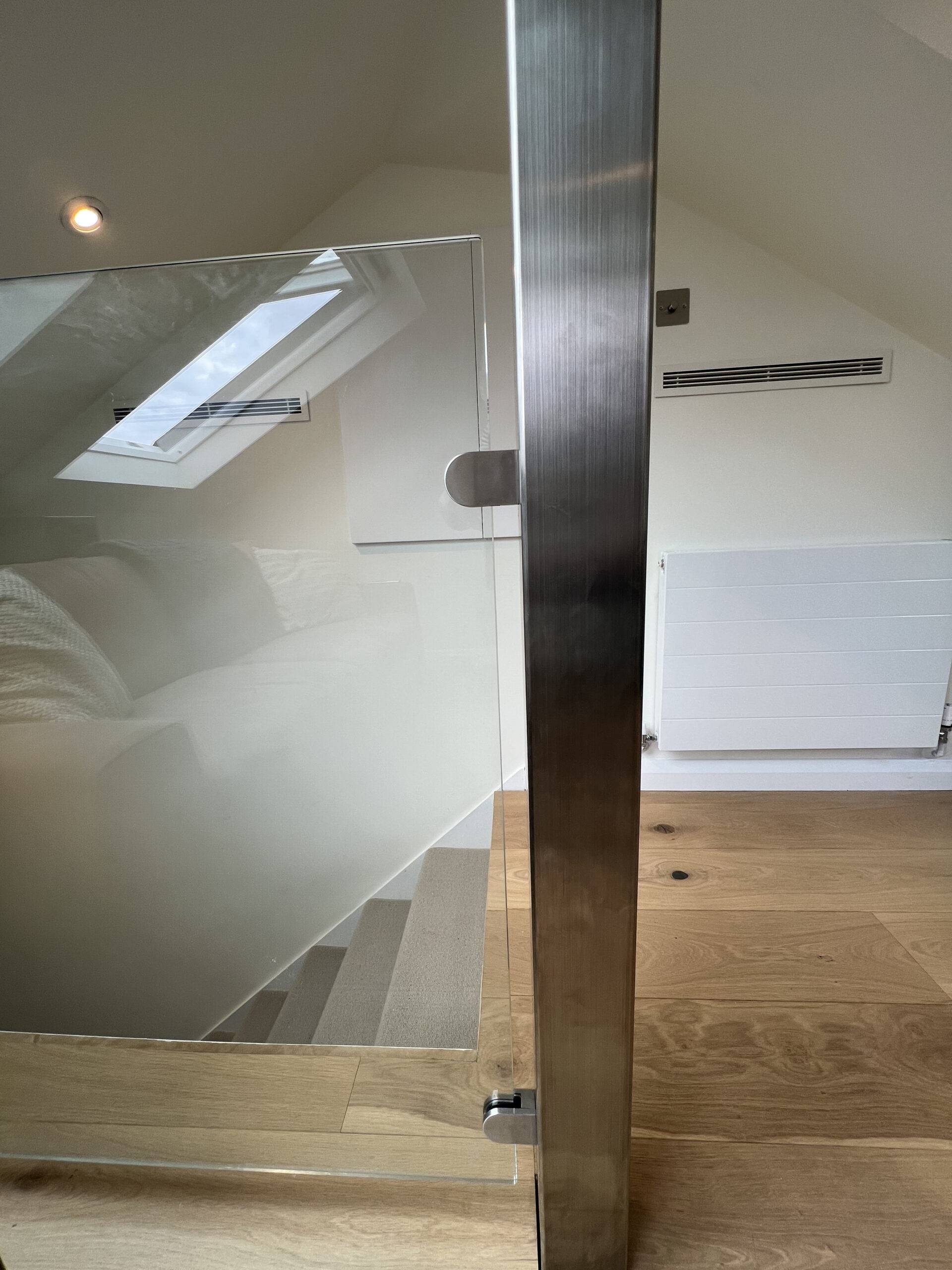
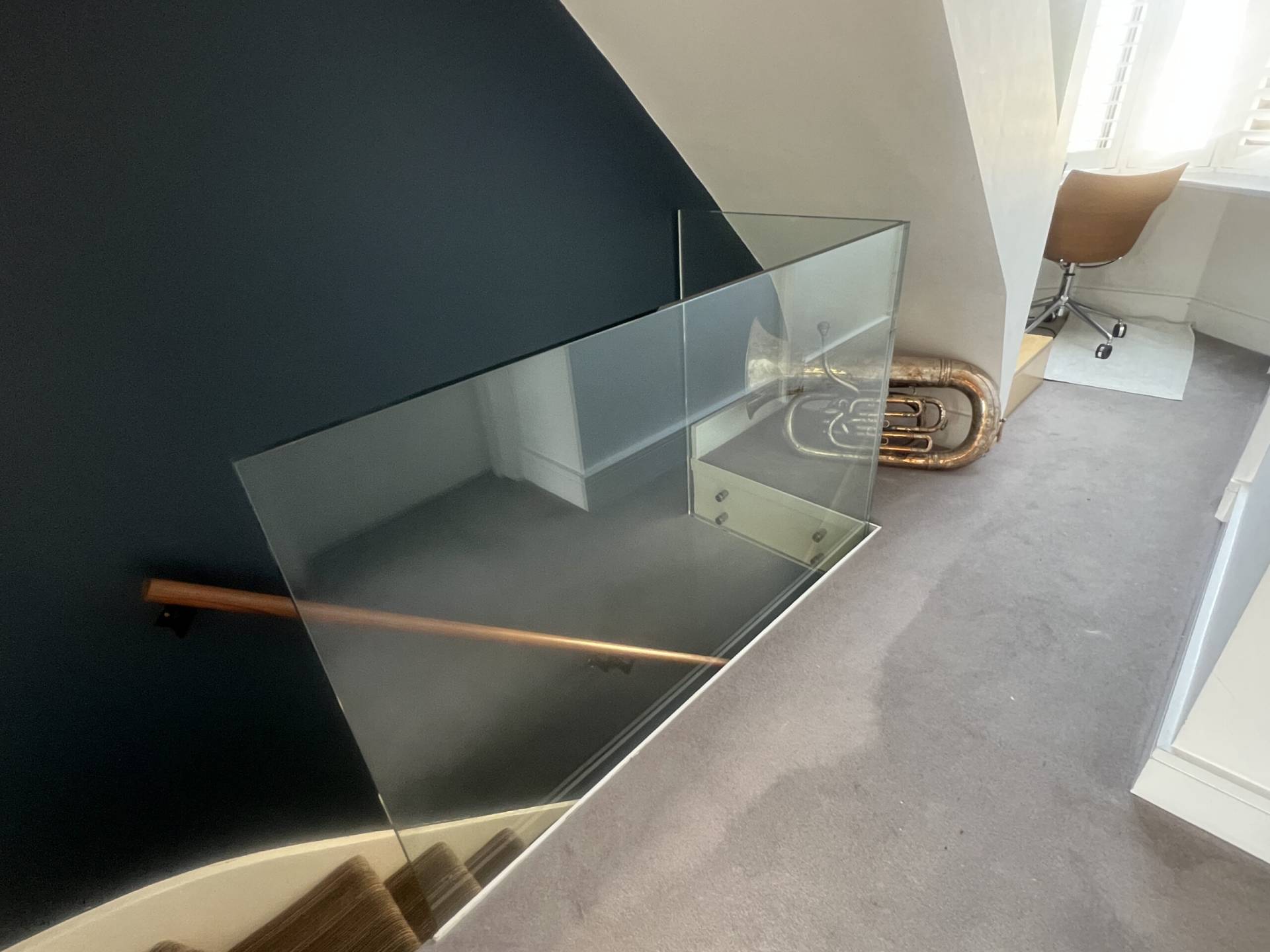
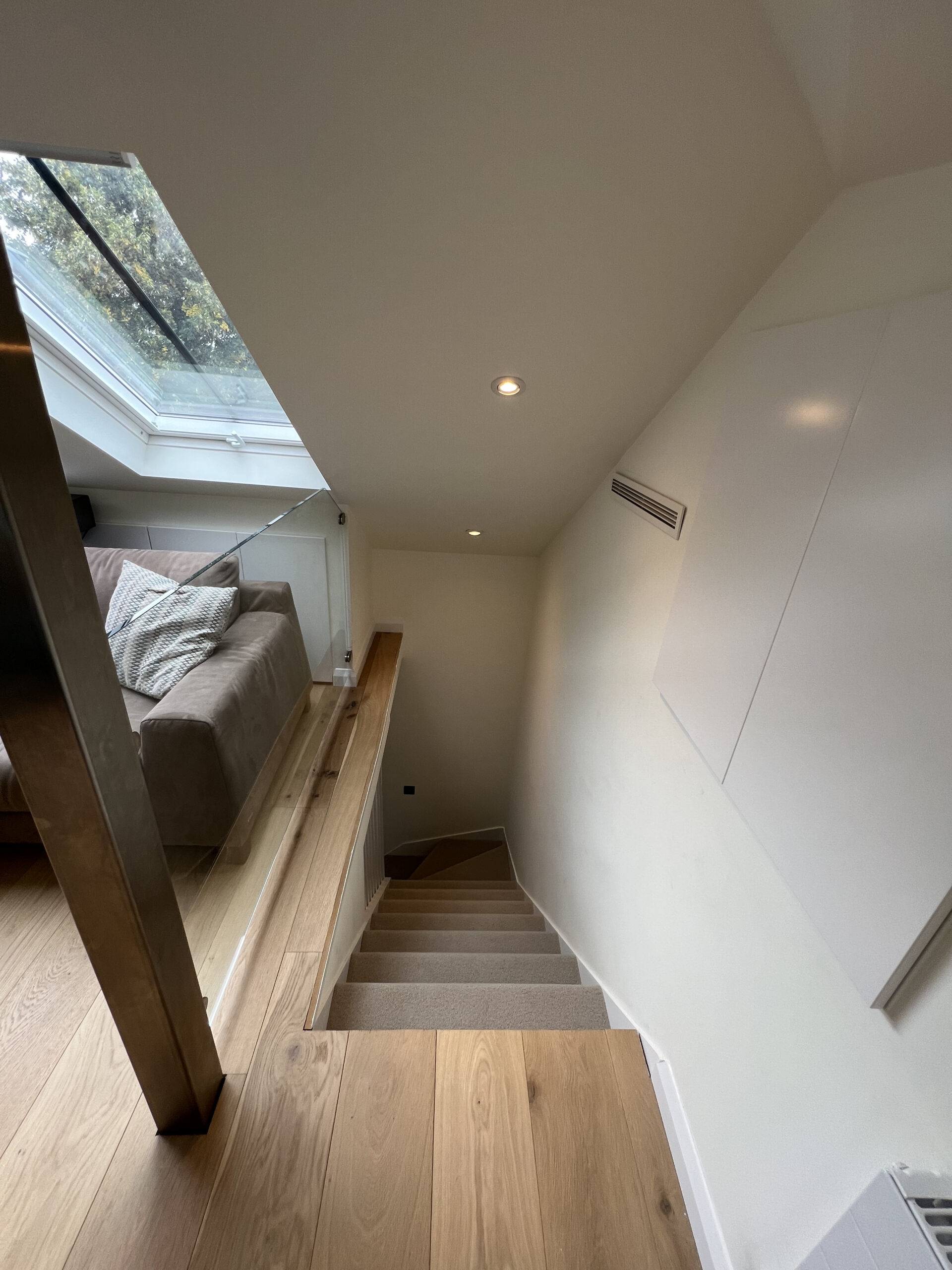
In modern homes, that continuity may mean extending a glass balustrade system up into the new loft conversion. Toughened glass panels can maintain sightlines, allow natural light to travel through the stairwell and complement a more contemporary interior. The principle remains the same: the staircase should feel unified, not like two unrelated sections joined together.
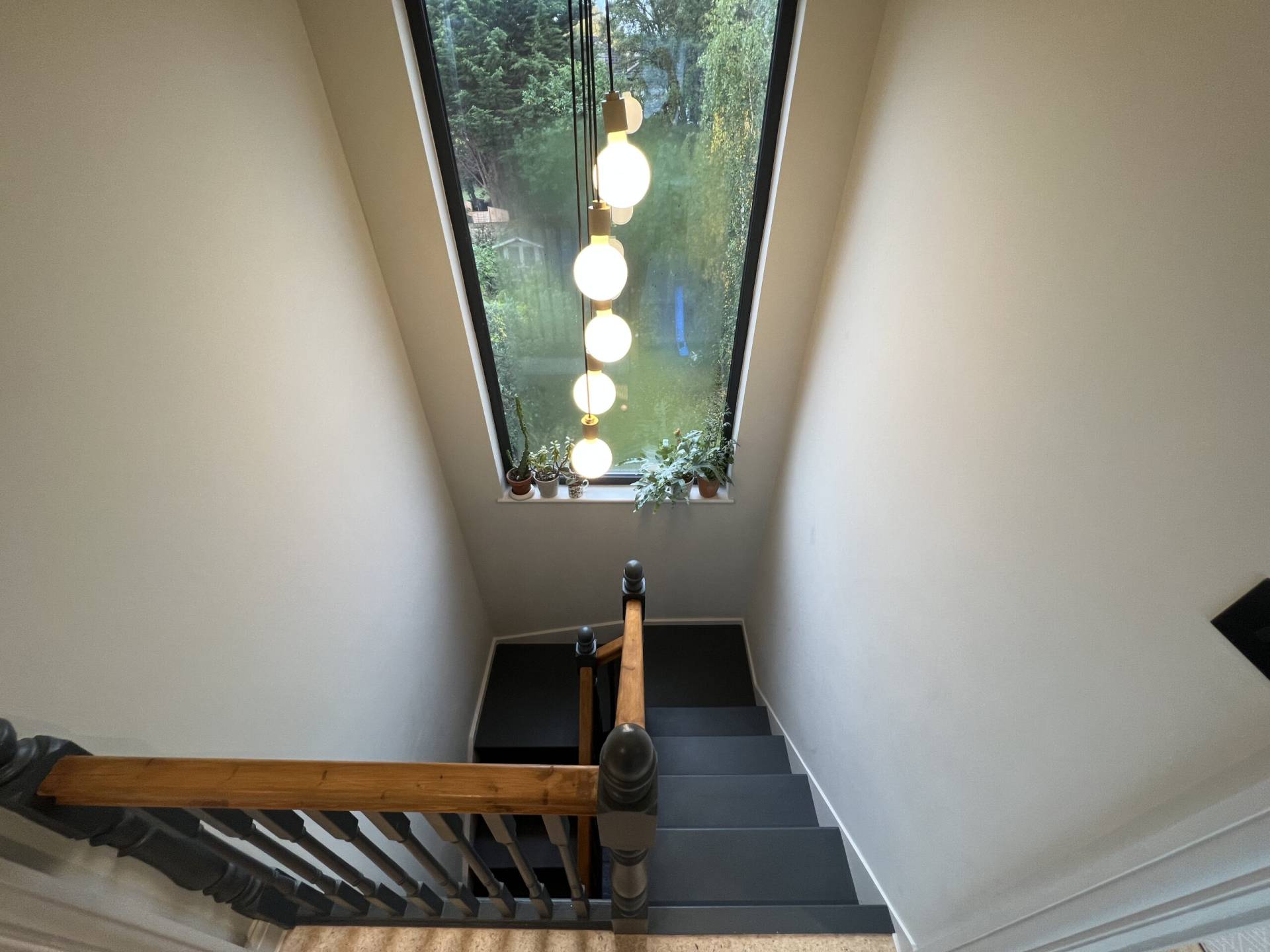
Of course, staircase design in a London loft conversion is tightly governed by building regulations. The pitch cannot exceed 42 degrees. Each tread and rise must be consistent throughout the flight, with no rise exceeding 220mm and no going less than 220mm. We are also constrained by the measurement between the existing first-floor landing and the top of the new loft floor structure. Often, walls from a box bedroom and adjacent bathroom limit the available opening and dictate the layout. Designing a compliant staircase within these constraints requires careful surveying and considered planning.
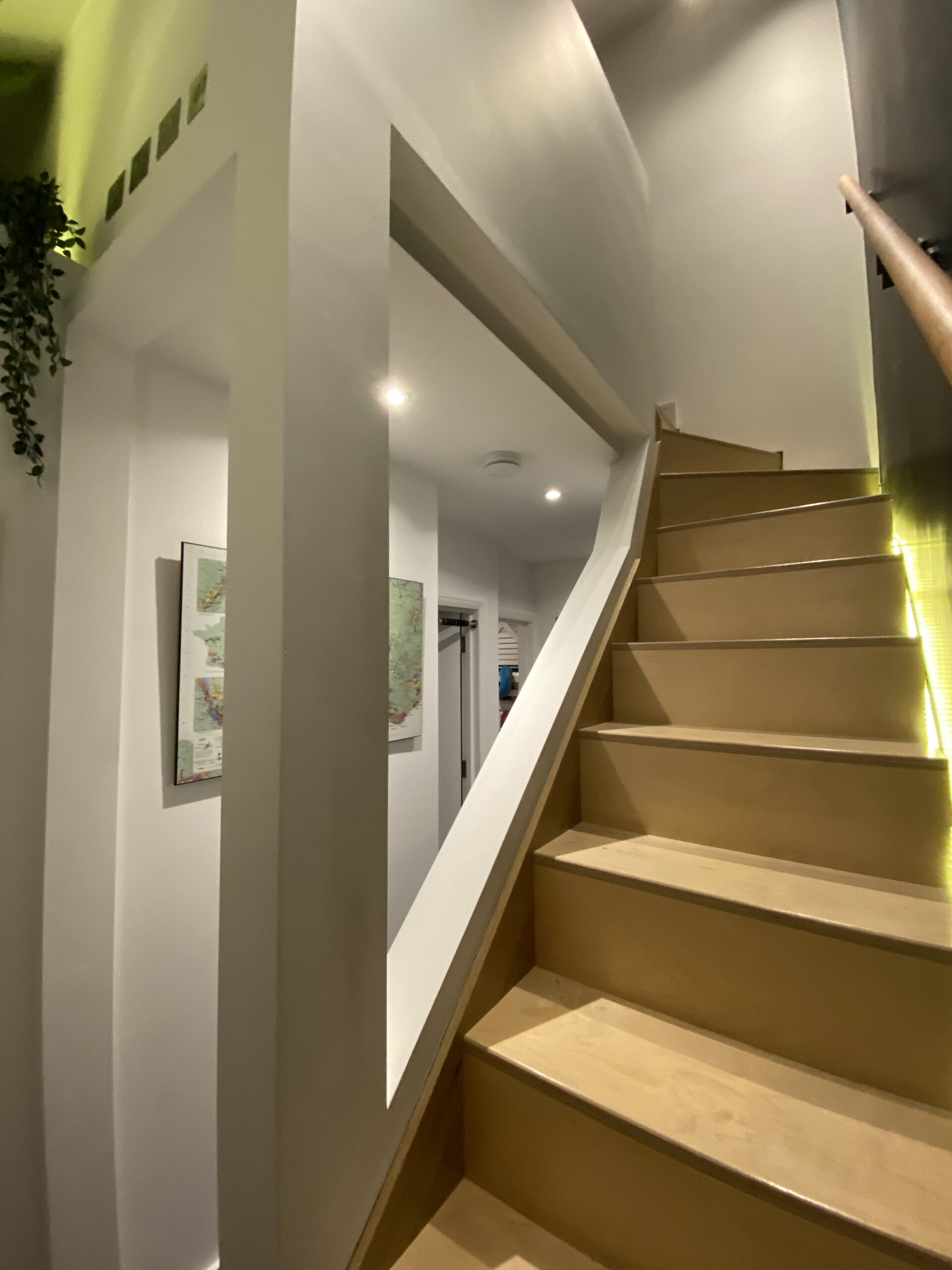
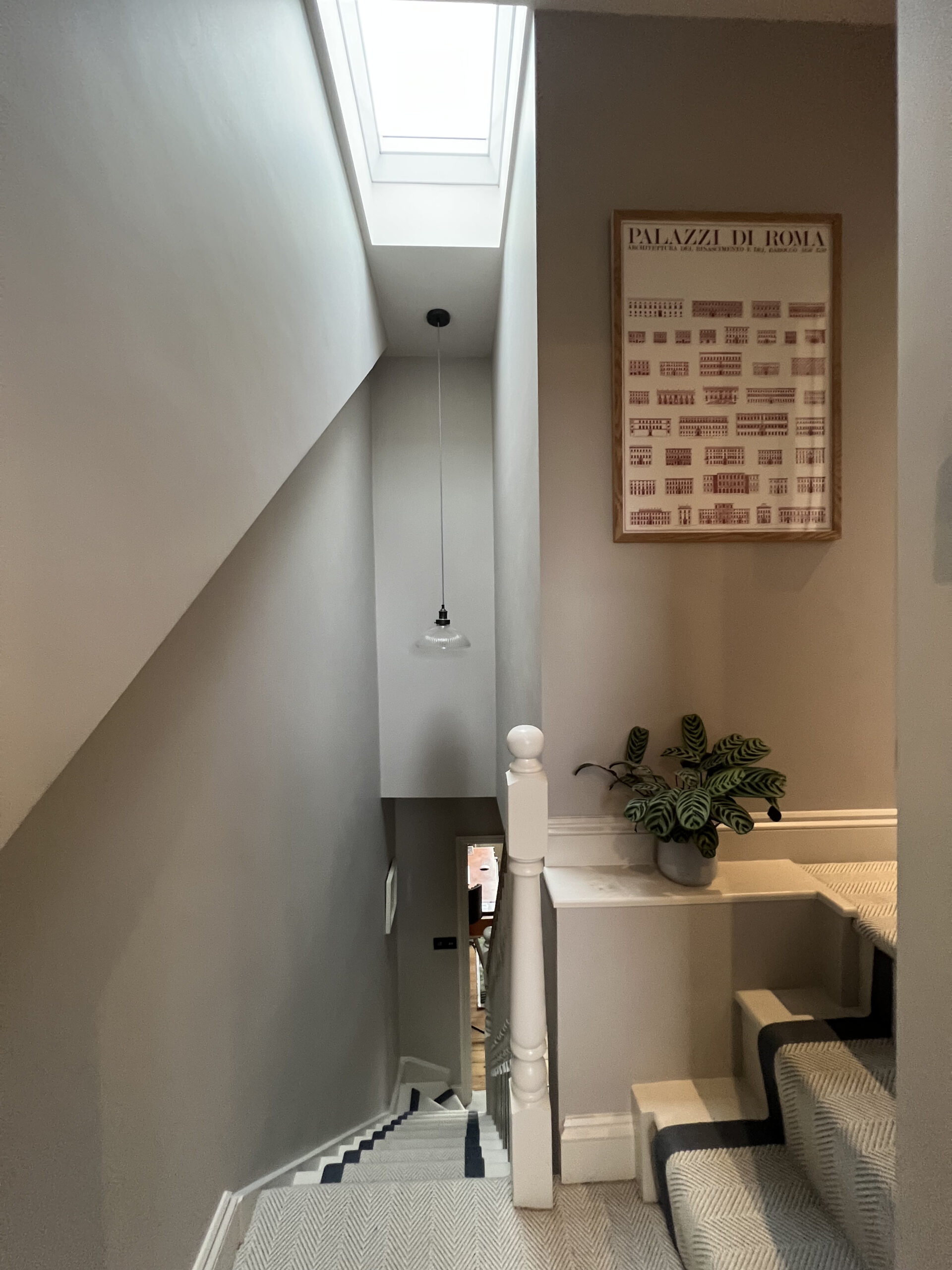
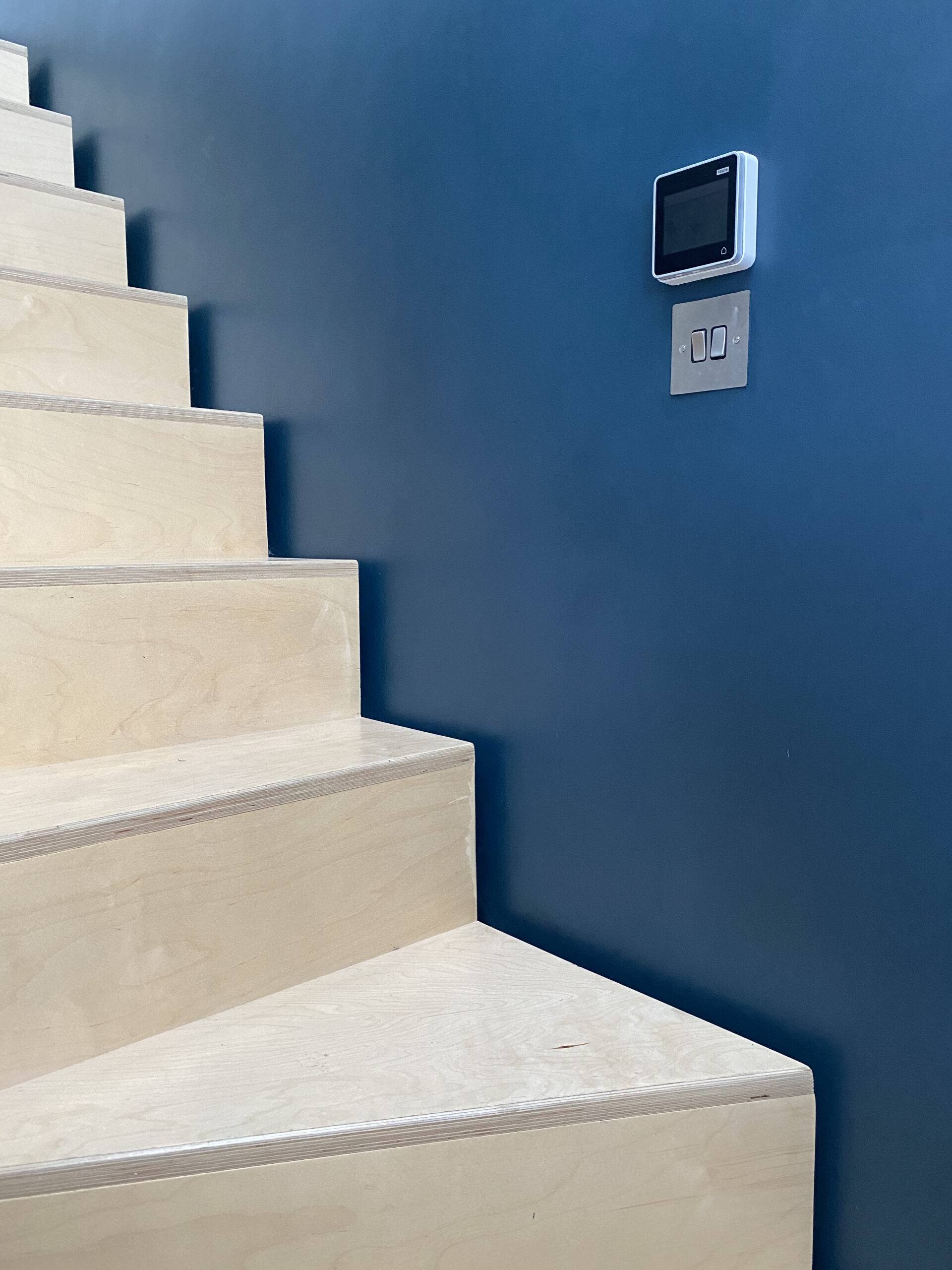
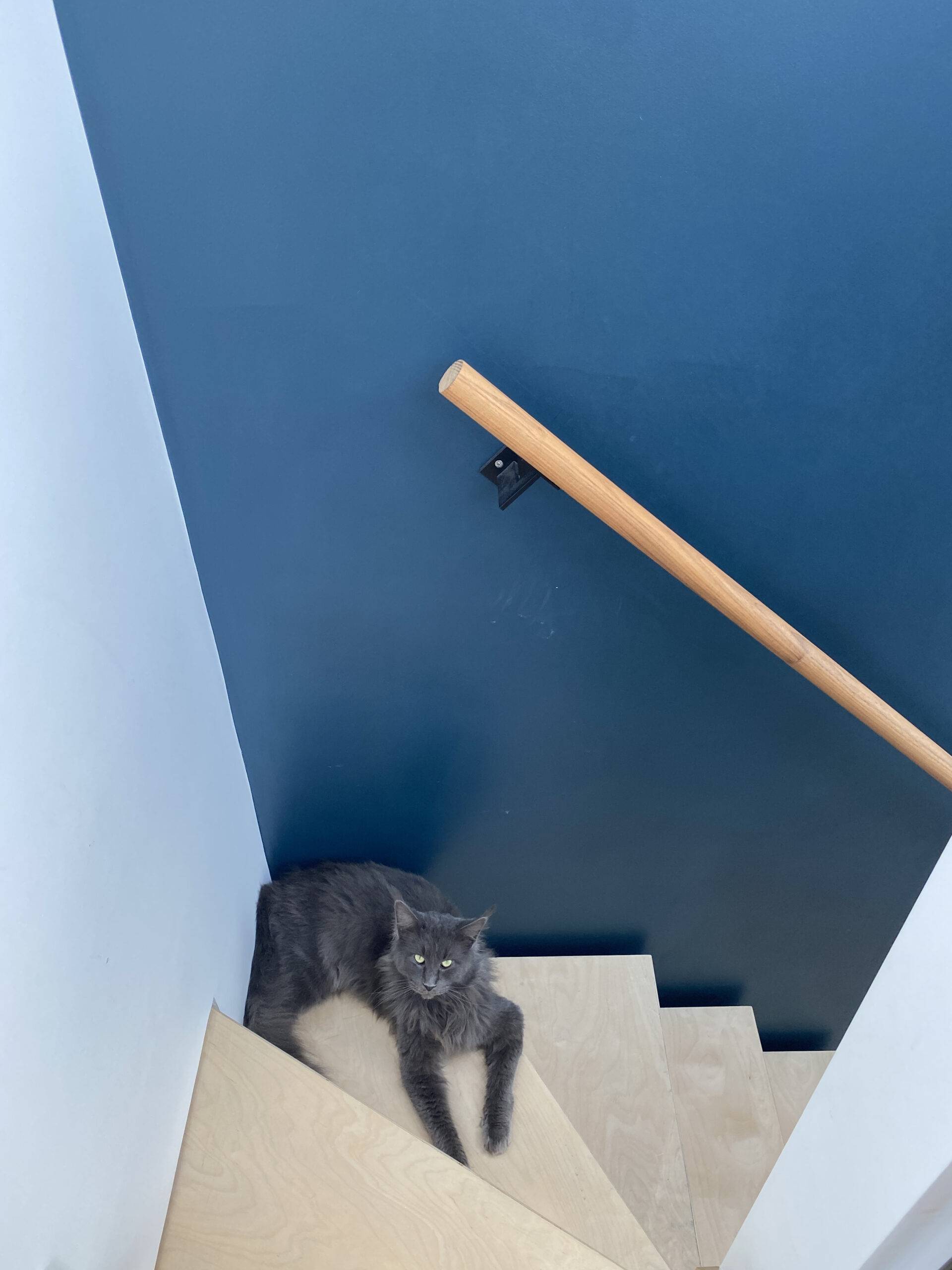
In terms of materials, there are many options. If you intend to carpet and decorate, we usually recommend a cost-effective staircase with pine strings, newels and balustrades, MDF treads and plywood risers. Once finished, this performs perfectly well. For more architectural schemes, we have installed solid oak, tulipwood and Douglas fir staircases. We’ve even used furniture-grade birch plywood to striking effect — exposing the end grain on the stair nosings and setting the structure slightly off the wall to create an LED shadow gap.
In any South London loft conversion, the staircase is the bridge between the familiar and the new. When carefully aligned and thoughtfully detailed, it ensures your loft feels fully integrated into your home — not simply added on top.