
If you’re planning a loft conversion in South London, chances are you’ve already imagined the view. A bright bedroom, natural light pouring in, maybe a skyline view across rows of Victorian terraces. For years, many homeowners assumed the answer was French doors with a Juliette balcony. It sounded elegant. A bit Parisian. A bit lifestyle-magazine chic.
But let’s be honest for a moment… long gone are the days of installing French doors in lofts.At AltoLofts, we’ve seen design trends come and go across countless South London loft conversions, and one thing has become very clear: French doors in lofts are usually completely dysfunctional.
That’s why more homeowners are now choosing floor-to-ceiling windows instead — a cleaner, more practical solution that maximises light, views and space in a modern loft conversion.
The Problem with French Doors in Loft Conversions
On paper, French doors sound wonderful.
In reality, not so much.
The whole point of a French door is that you walk through it into something — a garden, terrace, balcony, somewhere to actually step outside and enjoy.
In a loft conversion, however, that’s rarely the case.
Instead you get chunky vertical mullions splitting the doors down the middle, interrupting what could have been a beautiful panoramic view across London rooftops.
And then comes the Juliette balcony, which exists purely to stop you falling several metres onto the patio below.
You have a few options here.
Glass Juliettes look modern but often give off a slightly sterile 1990’s leisure centre vibe.
Large glass balustrades sometimes feel more like something from a Primark flagship store balcony than a carefully designed home.
You can also choose railings if you’re after the much sought-after prison aesthetic.
To be fair, French doors and bi-fold doors are excellent products in the right setting. They work brilliantly in kitchen extensions or garden rooms — just not in a loft conversion bedroom.
What Loft Bedrooms Are Actually Used For
Here’s another practical point people rarely think about when researching a loft conversion.
Loft rooms are almost always bedrooms, often forming part of a master suite with an en-suite bathroom within a rear dormer.
Now if we’re being completely honest, bedrooms generally serve four main purposes: sleep, shower, a little love making, and getting ready for the day.
It’s not typically a space where you’ll swing open the doors at midday on a Saturday, pour an aperitivo and casually nose over the Juliette balcony into the neighbour’s garden.
Bedrooms simply don’t function that way.
Which is why at AltoLofts we often discourage clients from installing French doors in their loft conversions. The idea sounds nice in theory, but in practice they are rarely the most sensible solution for a loft bedroom.
There’s also a structural limitation. Doors can only go so wide before they begin to sag over time, which restricts the opening size and limits the amount of glass you can install within a rear dormer.
Why Floor-to-Ceiling Windows Work Better
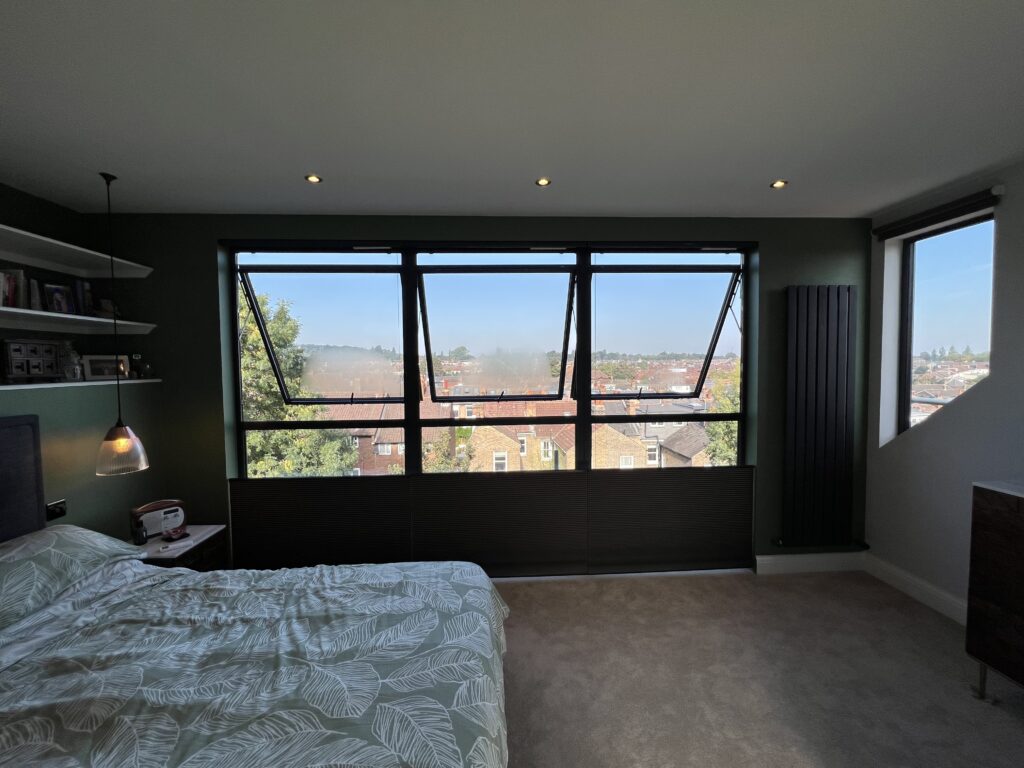
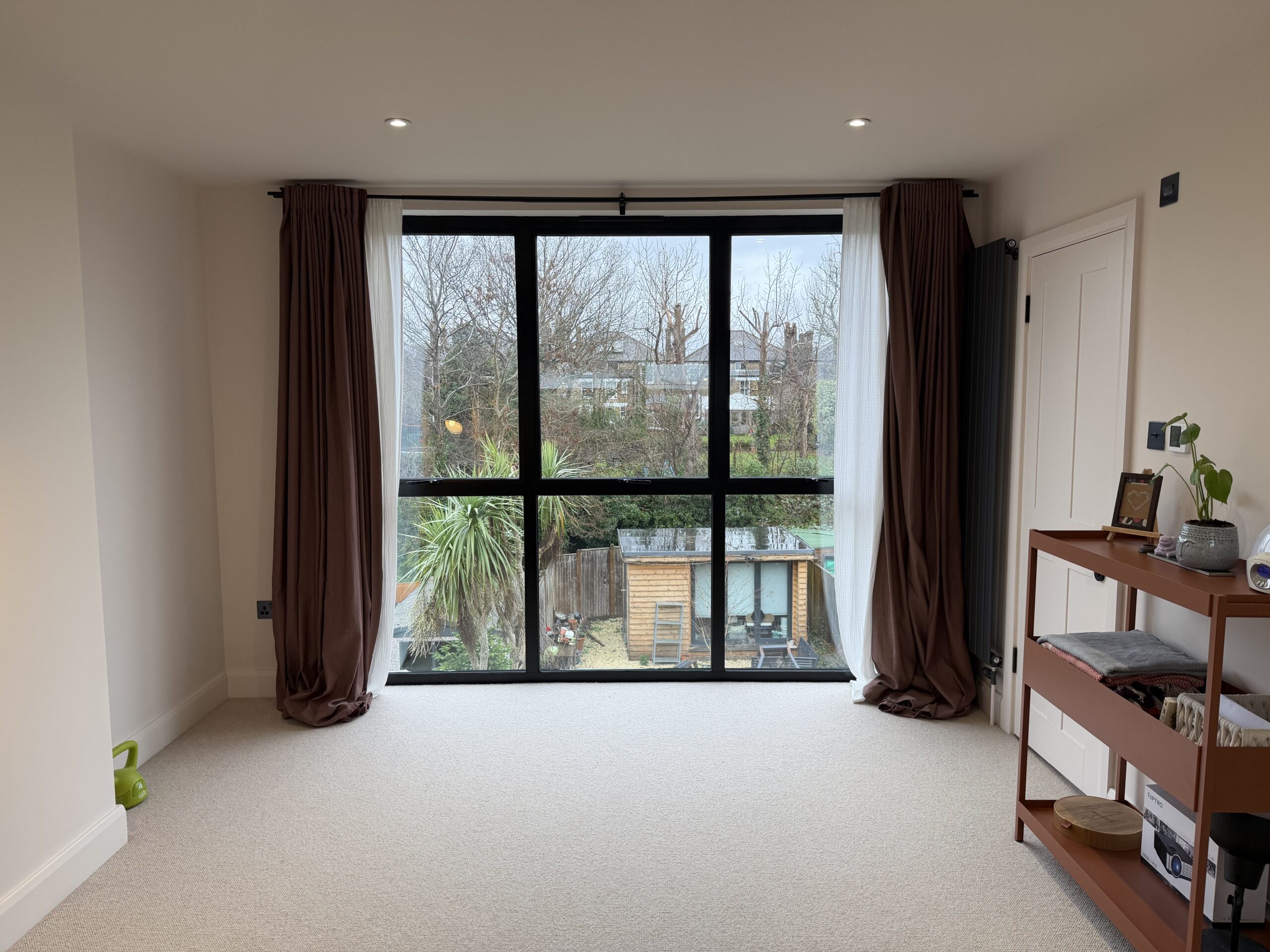
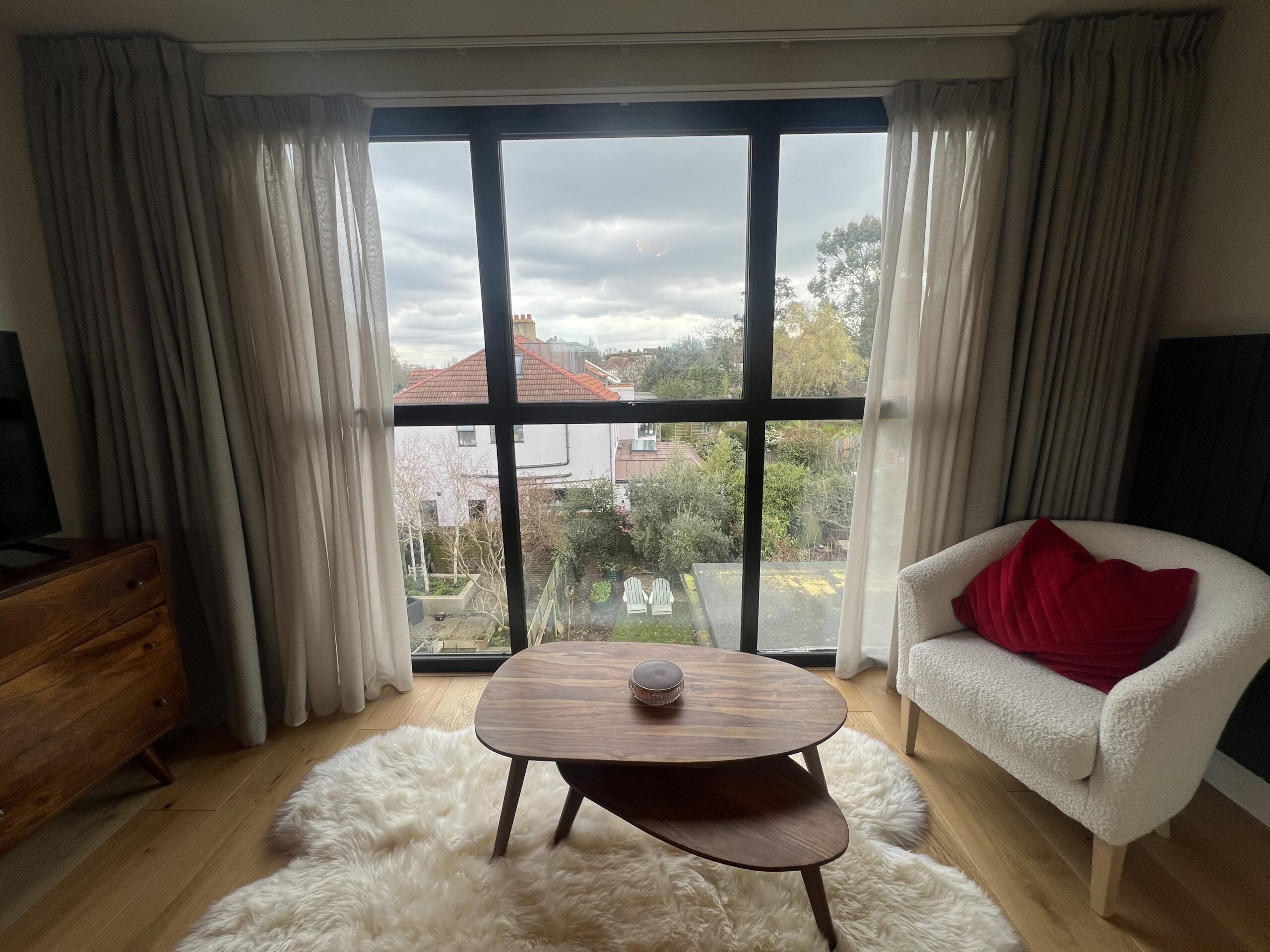
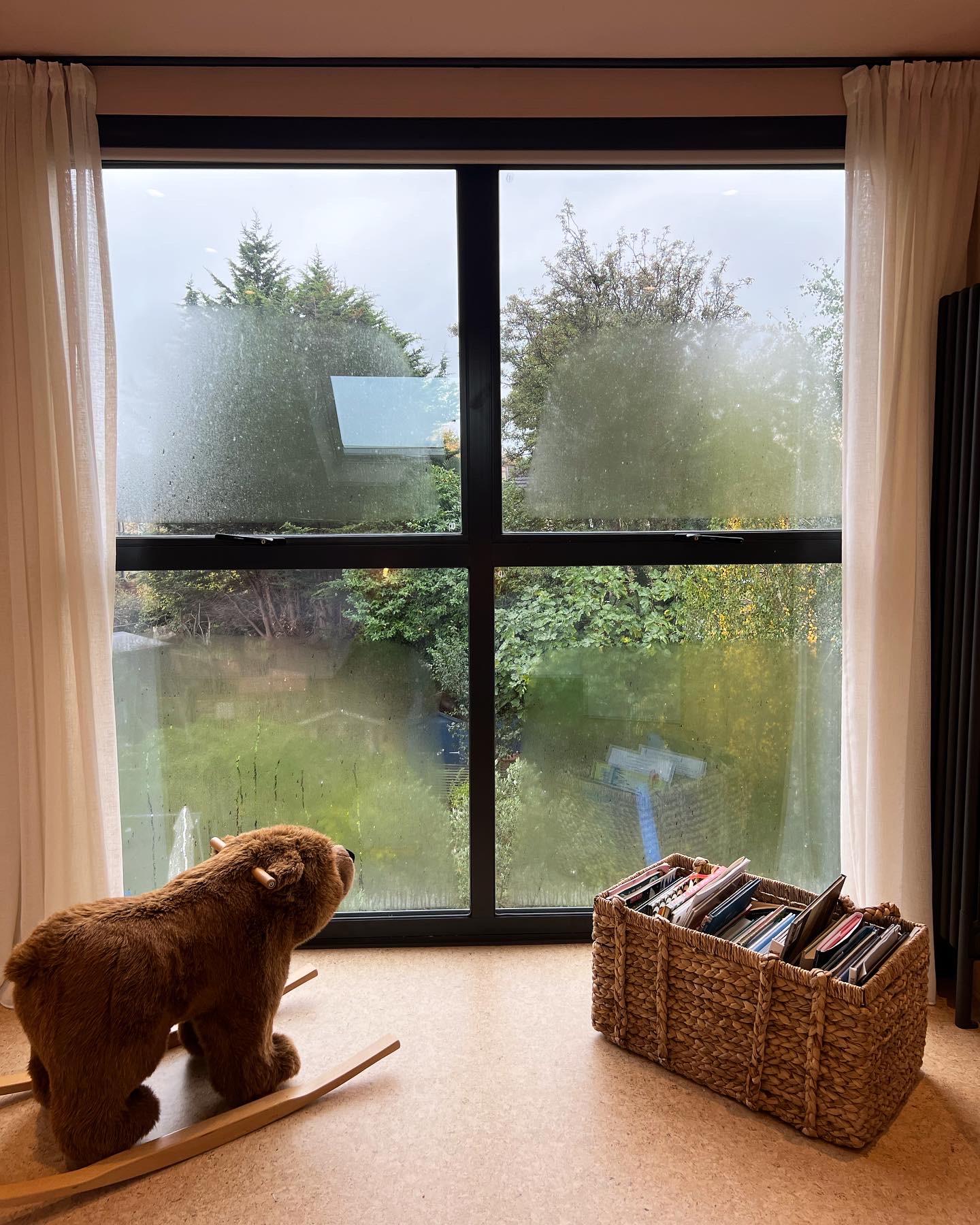
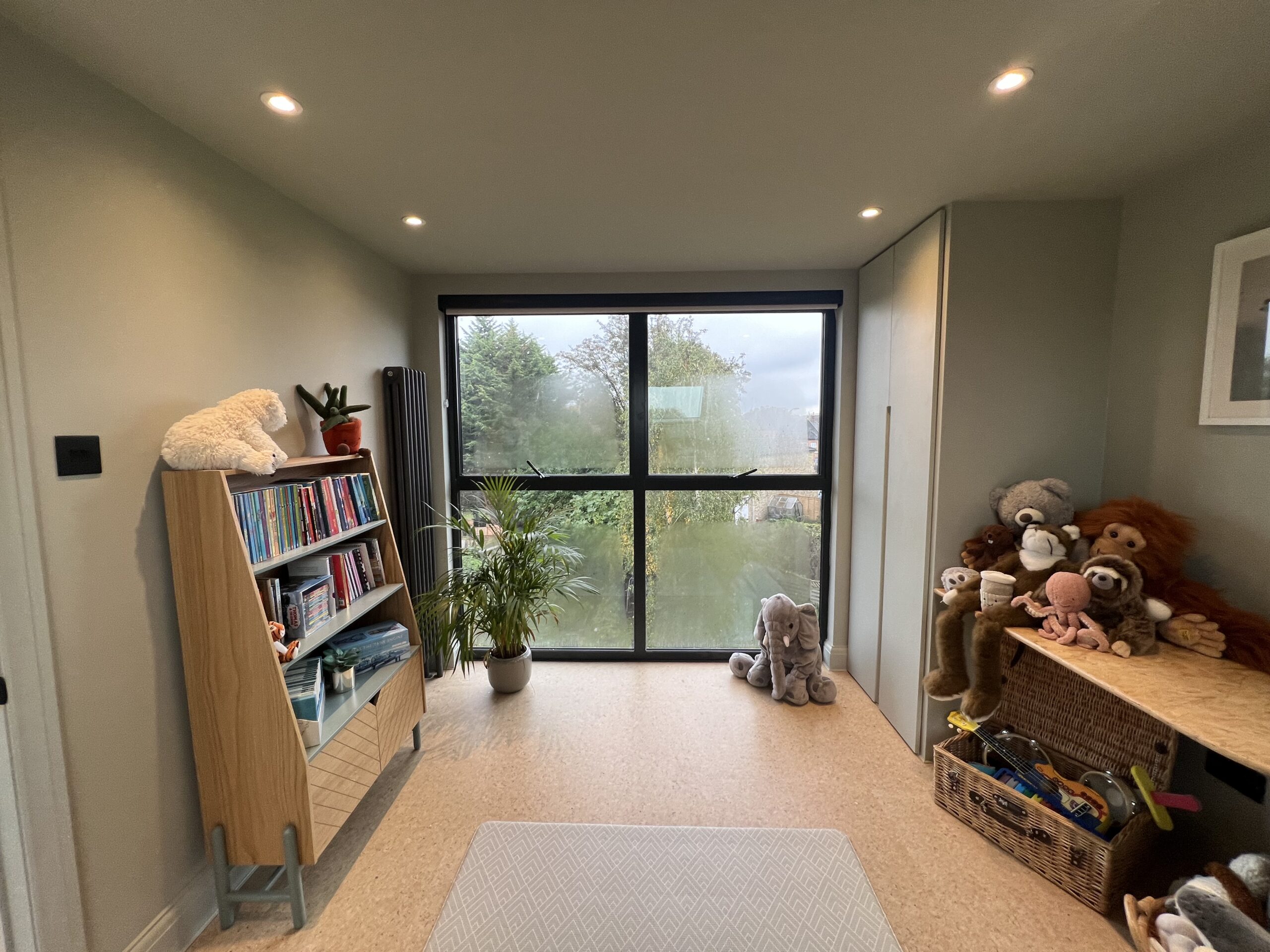
Instead, we encourage our clients to consider floor-to-ceiling windows within the rear dormer.
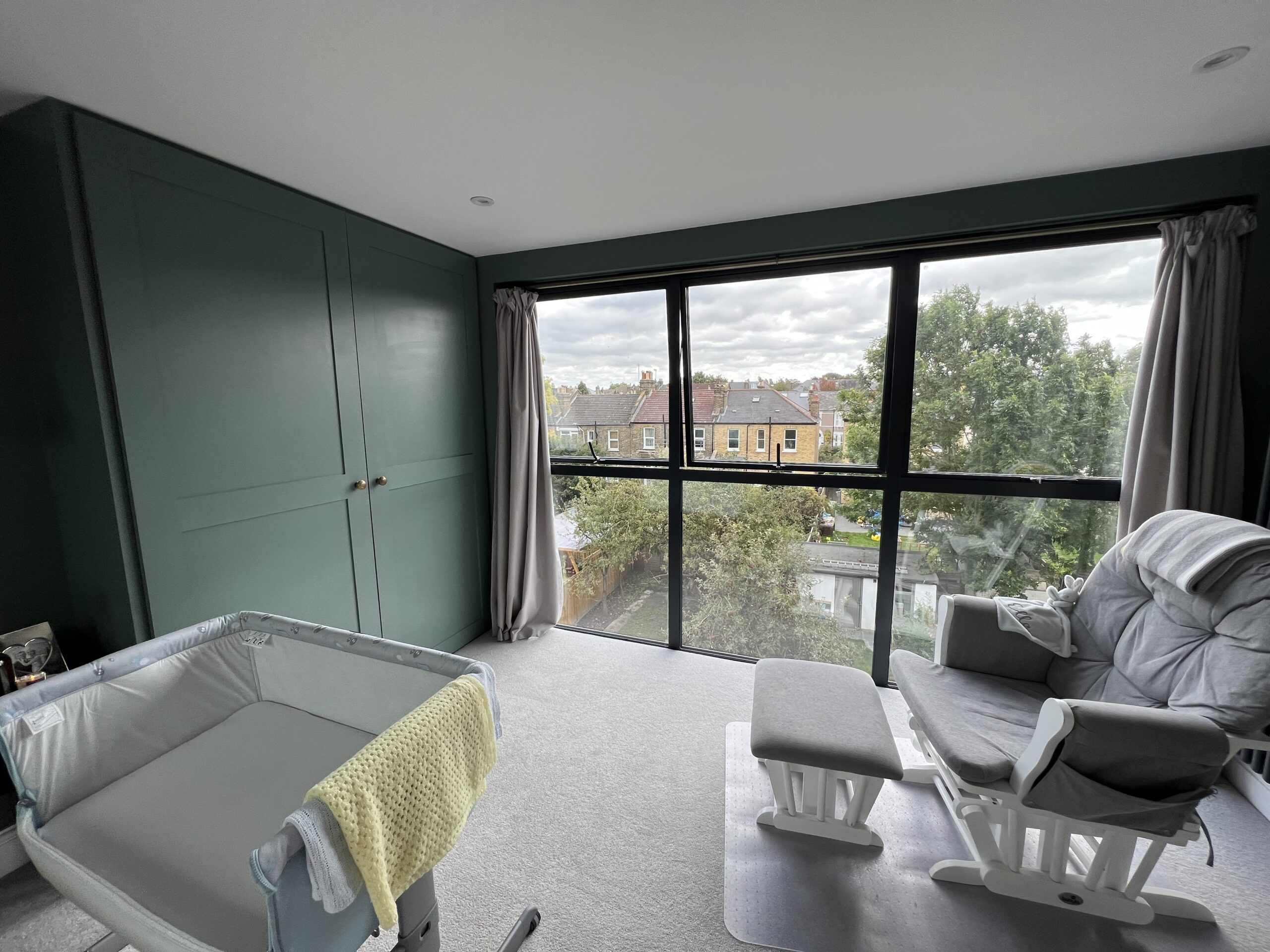
These create a clean wall of glass that floods the loft room with natural daylight and opens up uninterrupted views across South London rooftops.
Our preferred approach is to divide the window with a transom at regulatory waist height.
The lower pane acts as a would-be Juliette, providing the necessary safety barrier but without sticking out awkwardly from the building.
The upper pane is hinged at the top and opens outward and upwards.
This configuration offers several advantages.
Because the window is hinged at the top, we can install wider sashes than traditional side-hinged openings would allow. That means more glass and less frame interrupting the view.
Top-hung windows also perform very well during unpredictable British weather. If they’re left slightly open during rain, water simply runs off the glass rather than blowing into the room. That allows airflow through the loft during warmer months without worrying about the weather suddenly turning.
We also aim to frame the windows as low as possible so the finished floor of the loft runs directly to the cill. This creates a true floor-to-ceiling effect and gives the room a dramatic sense of openness.
It can also introduce a small dose of vertigo if you happen to be prone to it.
The Perfect Pairing: Rear Dormer Glazing and Velux Windows
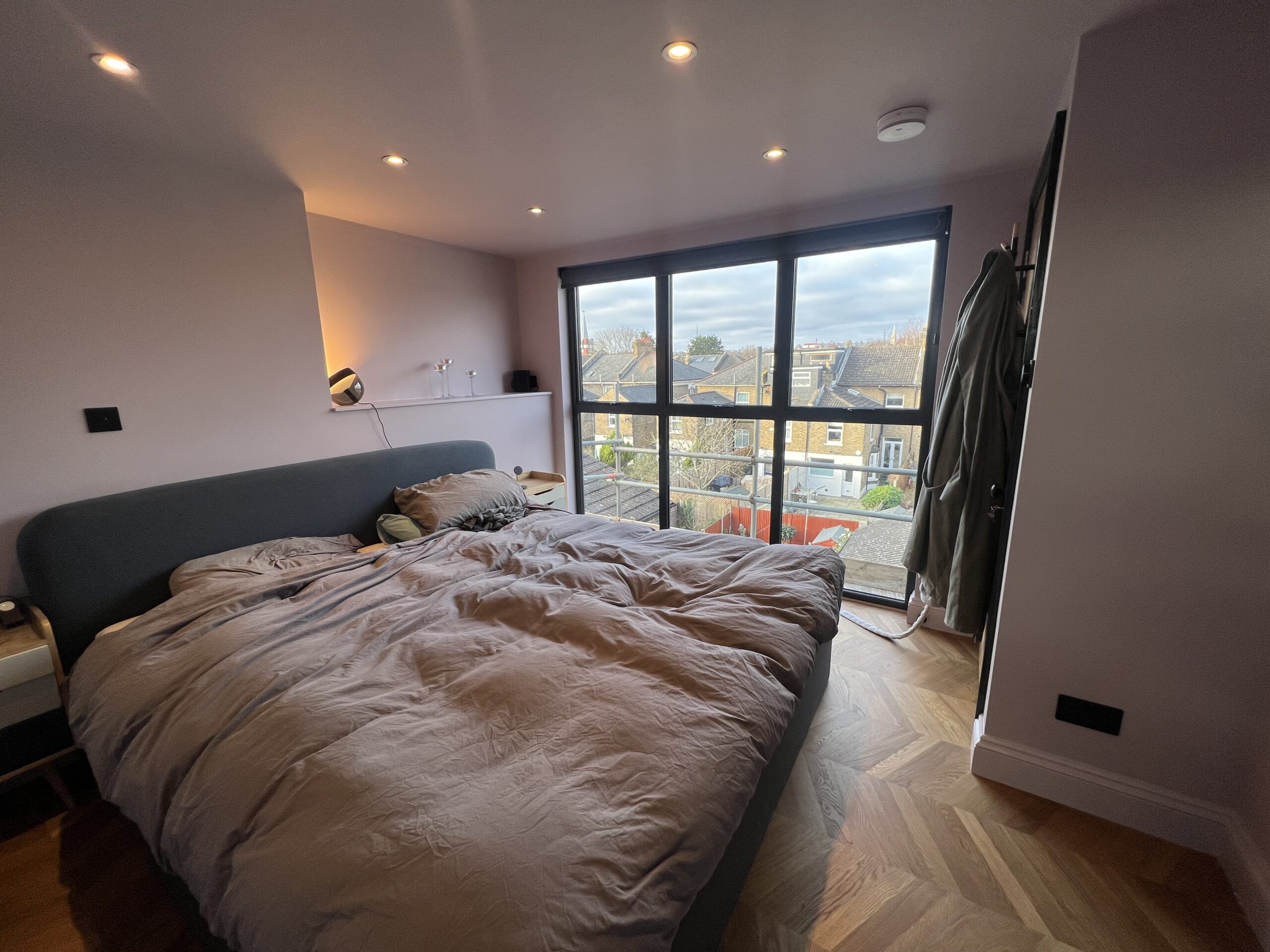
In many South London homes — particularly Victorian and Edwardian terraces — a loft conversion will include a large rear dormer, often a box dormer, which maximises head height and usable floor space.
This is where floor-to-ceiling glazing really shines.
At the front of the property, the original roof pitch is typically retained and fitted with Velux roof windows. These sit neatly within the slate roof and bring daylight into the front of the loft.
When you combine Velux windows on the front pitch with large floor-to-ceiling windows in the rear dormer, the loft room ends up being barraged with natural light from both elevations.
The result is a loft bedroom that feels bright throughout the day rather than relying on a single window source.
From an architectural point of view, large windows also help visually soften the structure of a dormer. Box dormers are designed to maximise space, but by nature they can appear quite boxy from the outside. The more glass you introduce, the more that solid mass is broken up, giving the dormer a lighter, more balanced appearance on the roofline.
For many homeowners searching for a loft conversion in South London, this combination of Velux roof windows and a rear dormer with large glazing panels creates the perfect balance between practicality, design and natural light.
A Clean, Modern Look for South London Homes
From the outside, floor-to-ceiling windows can completely transform the look of a dormer loft conversion.
Powder-coated aluminium frames in black or grey pair beautifully with natural slate roofs, which are common across South London’s Victorian and Edwardian housing stock.
Because the frames are slim and the glass panels are large, we can effectively create a full wall of glazing that looks contemporary while still respecting the character of the original property.
The generous use of glass also softens the overall appearance of the dormer, helping it sit more comfortably within the roofscape rather than appearing as a heavy box added to the back of the house.Whether it’s a rear box dormer loft conversion or a large dormer extension, this approach gives the loft space a bright, modern feel while maintaining a clean exterior appearance.
What About Privacy?
For homeowners concerned about privacy, there are plenty of solutions available.
Pull-up blinds designed for large windows are widely available and work very well with this style of glazing. And of course, good old-fashioned curtains still do the job perfectly, adding warmth and softness to what is otherwise a very clean architectural feature.
The AltoLofts Approach to Loft Window Design
At AltoLofts we believe that good loft conversions come down to thoughtful design choices rather than simply following trends.
French doors had their moment in loft conversions, but more and more homeowners are recognising that floor-to-ceiling glazing offers a far more practical and elegant solution.
You get more natural light, wider views across the rooftops, better ventilation and a cleaner overall design without the awkward Juliettes and broken sightlines.
Most importantly, they simply work better for how loft bedrooms are actually used.
Thinking About a Loft Conversion in South London?
If you’re considering a loft conversion in South London — whether it’s a box dormer loft conversion, rear dormer extension, or a Velux loft conversion — it’s worth thinking carefully about how your windows will shape the space.
A well-designed floor-to-ceiling window can completely transform a loft bedroom, turning what could have been a standard attic room into a bright, modern retreat above the city.
And importantly, it does so without chunky mullions, awkward Juliettes, or questionable balcony aesthetics.
If you’re planning a loft conversion and want to explore design options that maximise light, views and space, consider floor-to-ceiling windows with AltoLofts.
Because sometimes the best design decision is simply more glass and less fuss.